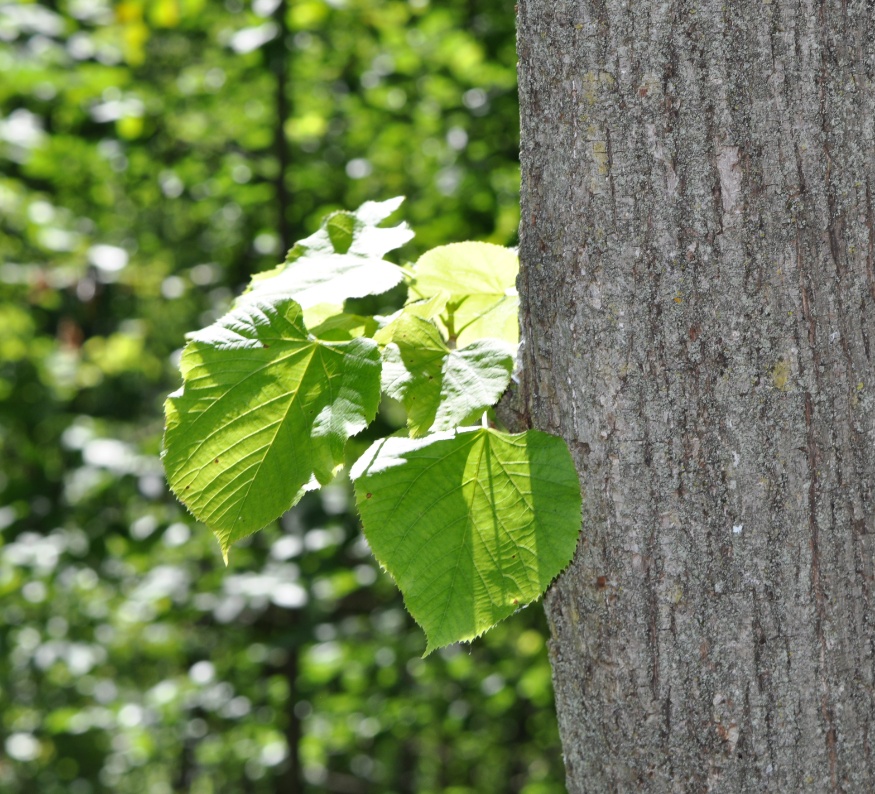
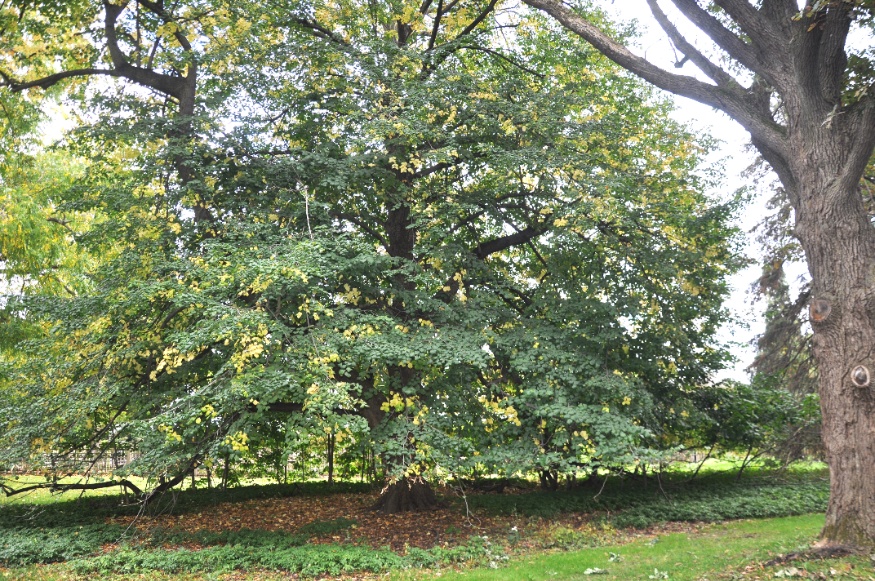
Linden (Tilia spp.) is a large, long-lived deciduous tree recognized by its broad, heart-shaped leaves and clusters of fragrant yellowish flowers that bloom in early summer. Hardy to zone 4, it thrives in fertile, well-drained soils, tolerating urban conditions, heavy clay, and some soil compaction. Mature trees reach 60–80 feet in height with a wide-spreading, rounded crown and provide excellent shade and ornamental interest, especially in city streets, parks, and gardens. Flowers attract bees and other pollinators, while leaves turn bright yellow in autumn, adding seasonal beauty. Medicinally, linden flowers, leaves, and inner bark are harvested for teas, infusions, and syrups to calm the nervous system, relieve mild fevers, reduce stress, and soothe respiratory discomfort. Common species in northern climates include Tilia americana and Tilia cordata, each valued for their slightly differing medicinal and aromatic properties. Linden also offers soft, workable wood used for carving and light construction, making it both a practical and therapeutic tree in temperate landscapes.
Linden flowers and leaves have a long history in European and North American folk medicine for their calming and restorative effects. Teas and infusions are used to relieve mild anxiety, nervous tension, and promote restful sleep. The flowers also help reduce fever and alleviate cold and flu symptoms by encouraging sweating and easing congestion. Leaves can be applied as poultices or compresses to soothe minor skin irritations, inflammation, and swelling. Inner bark has traditionally been used as a gentle demulcent to ease digestive discomfort. Linden is also incorporated in tonics and syrups to support the nervous and circulatory systems, providing mild relaxation without sedation. Its gentle action makes it suitable for children and elderly individuals. In folk practice, linden is often combined with other calming herbs such as chamomile, lemon balm, and peppermint to enhance soothing effects.
In traditional Chinese medicine, linden flowers (Tilia spp.) are considered neutral and slightly warm, primarily affecting the lungs and heart meridians. They are used to clear heat, calm the spirit, and relieve tension, particularly for symptoms of restlessness, irritability, and mild insomnia. Linden infusions promote sweating, helping to reduce fevers and alleviate early-stage colds. The flowers can be combined with other herbs to support circulation, harmonize qi, and gently soothe coughs and mild respiratory irritation. Leaves may be used externally or internally to nourish the skin, reduce inflammation, and calm the nervous system. Linden’s mild, balanced properties make it suitable for regular supportive use, particularly for those with stress-related ailments, palpitations, or fatigue. It is valued for its gentle yet effective harmonizing action and is considered safe for prolonged use under guidance.
Contains flavonoids, mucilage, volatile oils, tannins, and phenolic acids. These compounds contribute to anti-inflammatory, mild sedative, and antioxidant properties.
The heart-shaped leaves of linden mirror its traditional use for soothing the heart and calming emotions.
Linden pairs well with chamomile, lemon balm, passionflower, and hawthorn in teas for calming and respiratory support.
Generally safe when used in teas and infusions. Avoid excessive doses of concentrated extracts. May interact with sedatives. Pregnant or nursing individuals should consult a healthcare provider before use.
| Tastes | sweet, astringent, bland |
|---|---|
| Organ Systems | respiratory, nervous, integumentary (skin, hair, nails) |
| Thermal Nature | warm, neutral |
| Moisture | moistening |
| Parts Used | inner bark, leaves, flowers |
| Preparations | decoction, tea/infusion, tincture, bath, syrup |
| Organs and Tissue | lungs, heart, brain |
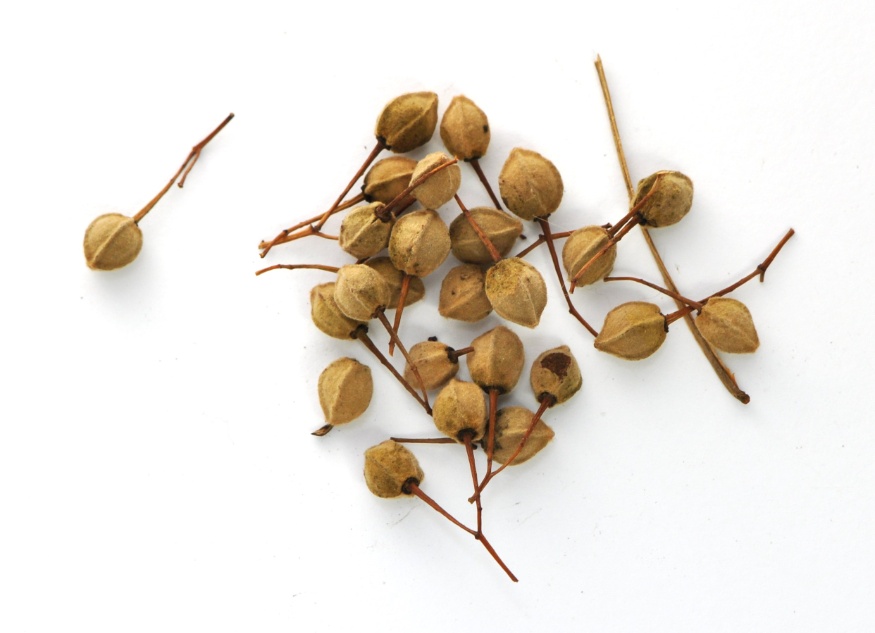
Sow seeds in autumn after stratification. Prefers fertile, moist, well-drained soil with full sun to partial shade. Protect young seedlings from frost. Mulch to conserve moisture. Prune lightly in early spring to shape.