About This Plant

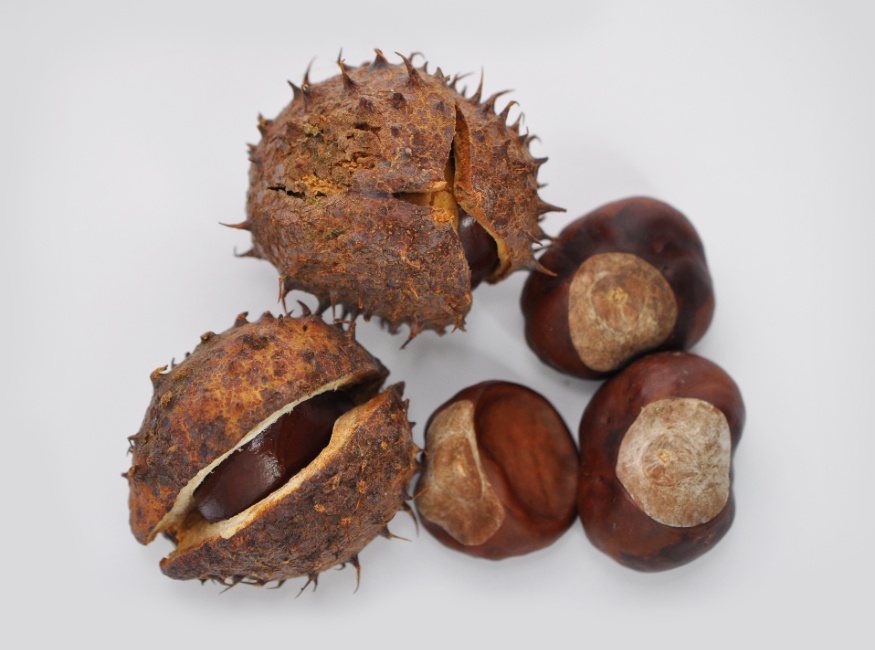
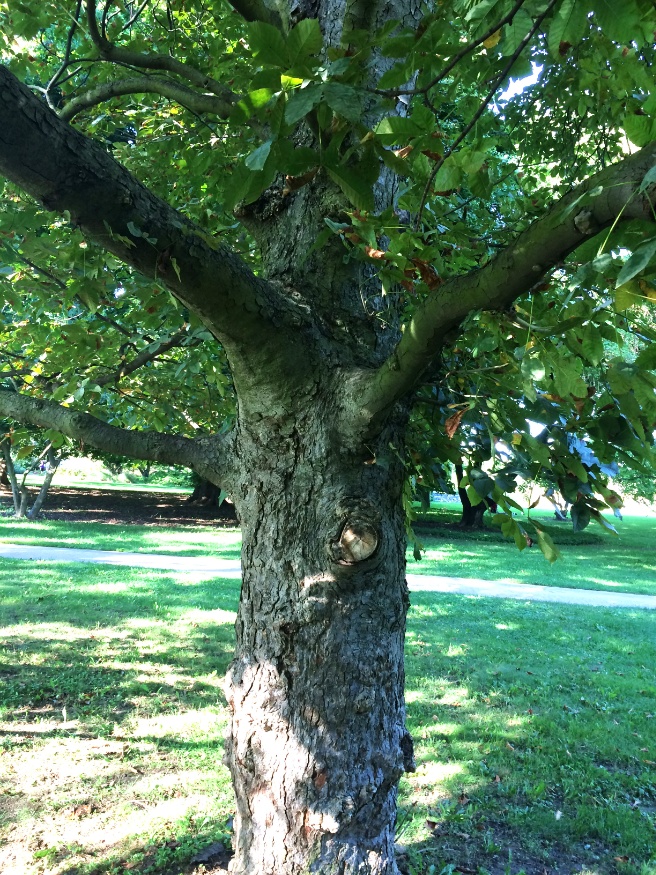
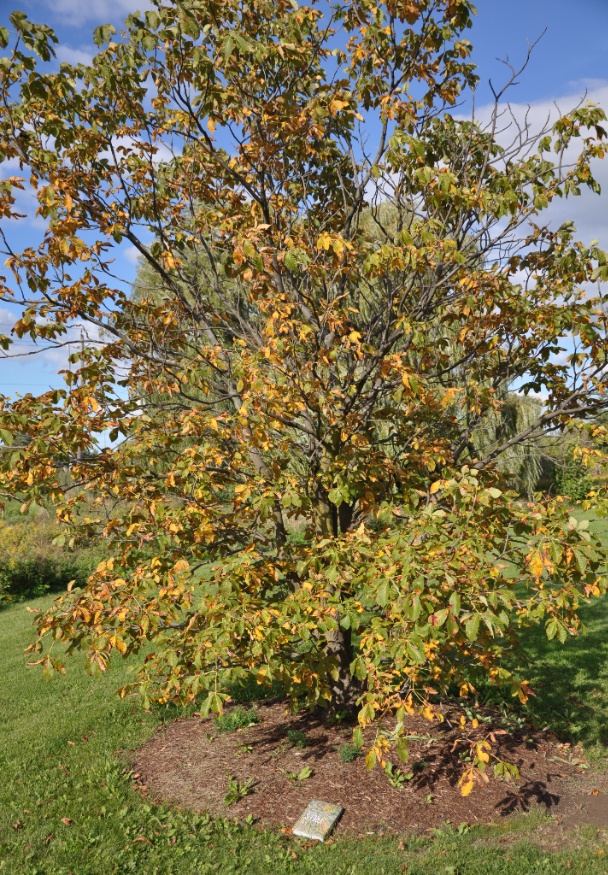
Horse chestnut (Aesculus hippocastanum) is a stately deciduous tree native to southeastern Europe and widely planted across temperate landscapes for its ornamental beauty. In spring, showy upright clusters of creamy white flowers with hints of pink attract pollinators and enliven parks, avenues, and woodland edges. By autumn, large, glossy green leaves turn a soft yellow before falling, and spiky green husks release shiny brown seeds known as conkers.

The tree's seeds, bark, and leaves have long been used in herbal medicine, particularly for venous health. Extracts of horse chestnut seeds are widely recognized for supporting healthy circulation and reducing swelling associated with varicose veins. The broad canopy provides shade and shelter for birds and insects, while flowers supply early-season nectar. Though the seeds are inedible raw, they remain a significant historical source of medicinal compounds. Its combination of seasonal interest, medicinal value, and strong architectural form has made horse chestnut a beloved landscape tree in gardens and public spaces.

Traditional Use

Folk Use

Horse chestnut seeds, bark, and leaves have been used in European folk medicine for centuries. Seed extracts were traditionally applied to improve venous circulation, reduce swelling, and relieve varicose veins. Bark and leaf decoctions were occasionally used to soothe inflammation or support skin health. Preparations of seeds were also taken to strengthen blood vessels and promote healthy circulation, while the leaves were sometimes applied externally as compresses for minor injuries or swelling.

Chinese Medicine

In integrative TCM approaches, horse chestnut is considered slightly cooling and bitter, acting on the Liver and Circulatory systems. Extracts of seeds and bark help improve blood vessel tone, reduce edema, and support overall circulatory health. Topical applications may calm inflammation or relieve minor venous discomfort.

Combinations

Frequently combined with witch hazel, horse chestnut flower extracts, ginkgo, or bilberry for vascular support. Topical creams may include comfrey, arnica, or calendula to enhance anti-inflammatory effects.

Precautions

Raw seeds are toxic if ingested. Use standardized extracts only. Avoid during pregnancy or lactation, and in cases of bleeding disorders or anticoagulant therapy without medical supervision. Skin may react to direct contact with raw plant material.

Medicinal SpeciesAesculus hippocastanum
Tastesbitter, astringent
Organ Systemscirculatory, integumentary (skin, hair, nails)
Thermal Naturecool
Moisturemoistening
Parts Usedinner bark, leaves, seeds
Preparationsextract, salve, tincture, cream
Organs and Tissueblood

Growing Guide

Horse chestnut thrives in full sun to partial shade with rich, well-drained soils. Seeds require cold stratification for germination. Trees establish best when planted in spring or fall with ample space for their spreading canopy. Mulch helps conserve soil moisture, and young trees benefit from protection against wind or frost. Once mature, horse chestnut develops a broad, open crown that provides strong shade and landscape presence.