

About This Plant

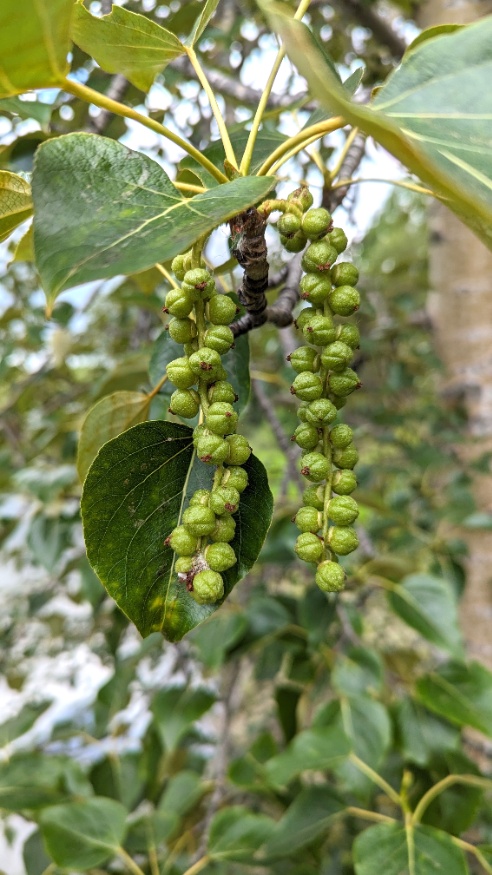
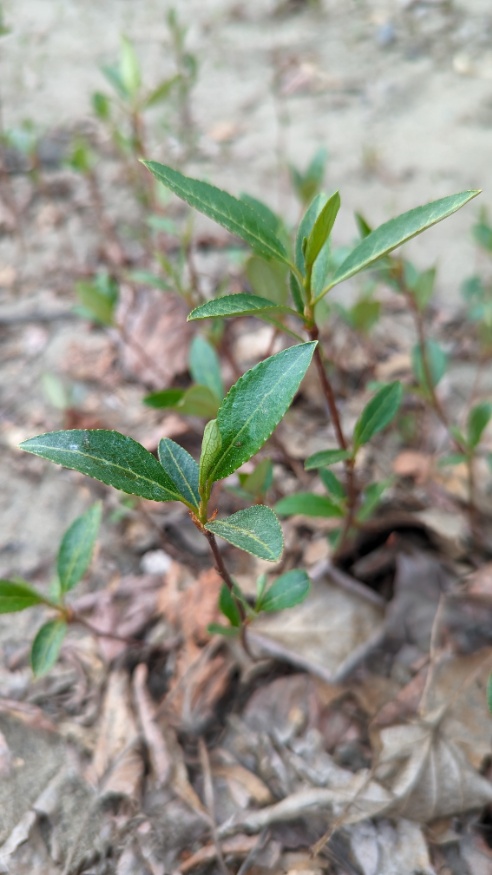
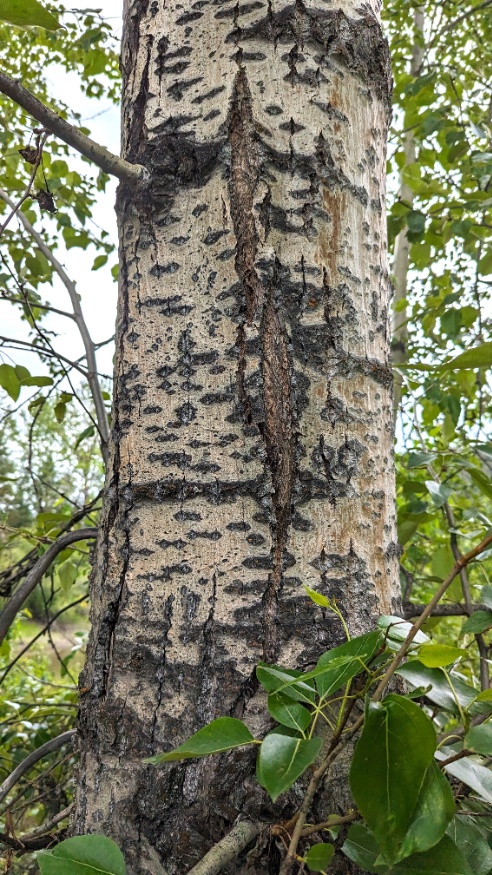
Cottonwood (Populus spp.) refers to several large deciduous trees in the poplar family known for their rapid growth and association with rivers, wetlands, and moist valley soils. Hardy to zone 2, cottonwoods are common throughout much of North America, Europe, and Asia. These trees can reach heights of 100 feet or more, developing broad crowns with spreading branches and thick, furrowed bark as they mature. Their triangular to heart-shaped leaves flutter easily in the wind due to flattened leaf stems, creating a distinctive shimmering appearance. In spring, the trees produce long catkins followed by masses of cotton-like seeds that disperse on the wind, giving the tree its common name. Cottonwoods play an important ecological role by stabilizing riverbanks, improving soil, and providing habitat for birds and wildlife. Medicinally, the fragrant spring buds are harvested and used to produce aromatic oils and salves valued for their soothing, anti-inflammatory properties, especially for sore muscles, joint pain, and skin irritation.

Traditional Use

Folk Use

Cottonwood buds have long been valued in North American folk herbalism, particularly among Indigenous peoples and early settlers. The sticky, aromatic spring buds are infused in oil to make a well-known remedy often called "balm of Gilead." This preparation is applied to sore muscles, joint pain, minor wounds, burns, and skin irritations. The resin contains compounds related to salicylates, giving it mild pain-relieving and anti-inflammatory effects. Internally, preparations of the bark or buds have been used in small amounts for coughs, fevers, and mild pain. Cottonwood bud salve is especially popular as a topical treatment for dry skin, cracked hands, and minor infections. The pleasant fragrance of the buds also makes them a favored ingredient in herbal oils and traditional healing salves.

Chinese Medicine

Cottonwood is not a classical herb in traditional Chinese medicine, but its energetic qualities can be interpreted within a TCM framework. The resinous buds are considered warming and mildly drying, helping to move stagnant blood and relieve pain in muscles and joints. Topically prepared oils or salves may be used to reduce swelling, bruising, and localized inflammation. The aromatic resins support circulation and can help dispel cold and damp conditions affecting the musculoskeletal system. When used cautiously in herbal practice, cottonwood aligns with herbs that warm the channels, move blood, and alleviate discomfort caused by stagnation. Its soothing effects on irritated tissues also make it useful for calming inflamed skin and promoting healing.

Special Chemistry

Cottonwood buds contain salicylates, flavonoids, phenolic glycosides, tannins, and aromatic resins that contribute to their anti-inflammatory, analgesic, and antimicrobial properties.

Signature

The sticky, resin-coated buds protect the emerging leaves through the cold and wet conditions of early spring, reflecting the plant's traditional use as a protective and healing balm for injured or irritated tissues.

Combinations

Cottonwood buds combine well with plantain, calendula, comfrey, St. John's wort, and beeswax when preparing topical healing oils and salves.

Precautions

Avoid internal use in individuals sensitive to salicylates. Use caution when applying to large open wounds. Individuals allergic to aspirin should avoid cottonwood preparations.

Tastesbitter, astringent
Organ Systemscirculatory, muscular, integumentary (skin, hair, nails)
Thermal Naturewarm
Moisturedrying
Parts Usedinner bark, leaves
Preparationsdecoction, oil, salve, tincture, wash
Organs and Tissuemuscle & connective tissue, blood

Growing Guide

Cottonwoods are fast-growing trees commonly found along rivers, floodplains, and moist lowlands. They prefer full sun and moist, fertile soils but can tolerate a range of soil types as long as adequate moisture is available. Seeds are short-lived and should be sown immediately after ripening if propagation by seed is desired. More commonly, cottonwoods are propagated from hardwood cuttings taken during dormancy, which root readily when planted in moist soil. Because of their vigorous growth and large mature size, they should be planted in open areas away from buildings and underground infrastructure. Regular moisture during establishment helps young trees develop strong root systems.