About This Plant

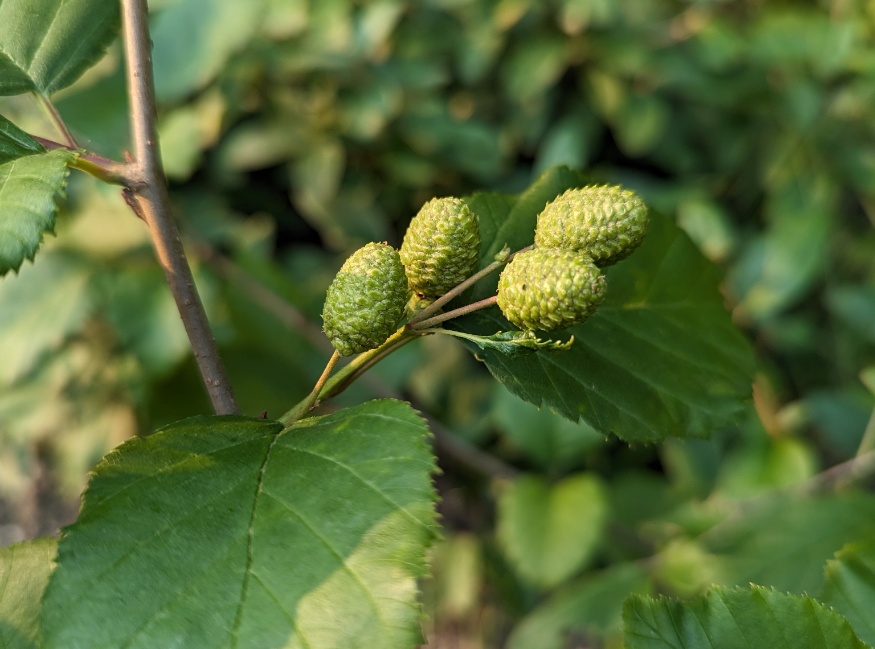
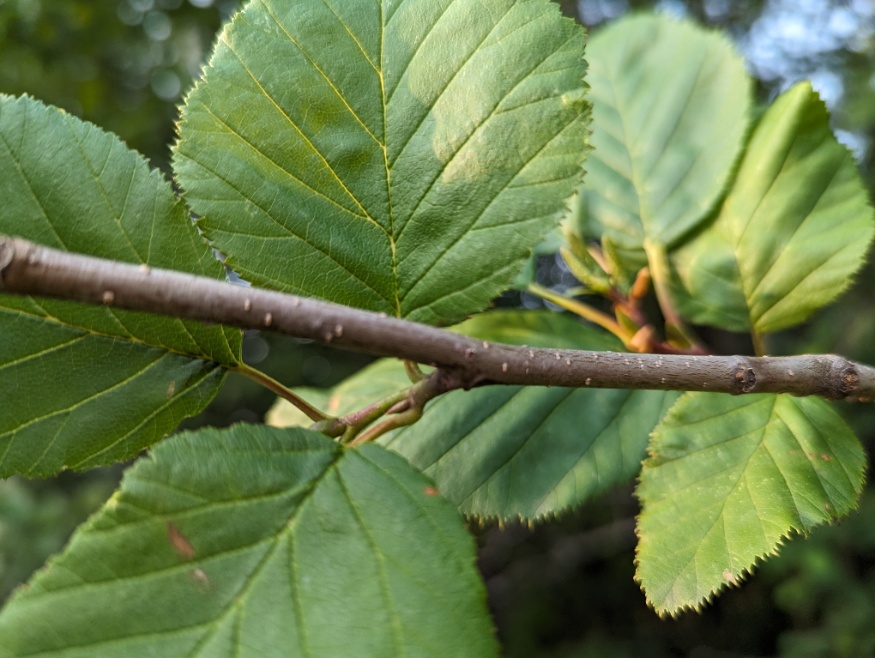
Alders (Alnus spp.) are fast-growing deciduous trees and shrubs commonly found along rivers, wetlands, and moist forest edges throughout the Northern Hemisphere. Several species occur across North America and Europe, including red alder (Alnus rubra) of the Pacific coast, speckled alder (Alnus incana) of northern regions, and black alder (Alnus glutinosa) of Europe. These trees are easily recognized by their rounded leaves, small woody cone-like fruits, and early spring catkins that release pollen before most other trees have leafed out.

Many alder species thrive in wet or disturbed soils where few other trees grow well. Their roots host nitrogen-fixing bacteria that enrich the surrounding soil, making alder an important pioneer species in forest regeneration. Because of this ability, alders often colonize landslides, streambanks, and recently cleared areas.

The wood is relatively soft but valued for carving, furniture, and smoking foods. Medicinally, the bark has long been used for its astringent and cleansing properties, particularly for skin and digestive conditions. With their ecological importance and ability to improve soil fertility, alders play a key role in restoring and supporting healthy forest ecosystems.

Traditional Use

Folk Use

Alder has a long history of medicinal use among Indigenous peoples of North America and in European folk medicine. The bark, especially from red alder (Alnus rubra) and speckled alder (Alnus incana), was commonly prepared as a strong decoction used to purify the blood and support recovery from infections or chronic skin conditions. Due to its pronounced astringent qualities, alder bark was widely used as a wash or compress for wounds, ulcers, rashes, and inflamed skin. Internally, small amounts of bark tea were sometimes taken for diarrhea and digestive irritation because of its tightening effect on mucous membranes. Indigenous communities of the Pacific Northwest also used alder bark as a tonic during illness or after long winters. Fresh leaves were occasionally applied externally to sore muscles, swollen joints, or inflamed skin to reduce discomfort. In addition to medicinal uses, alder bark was valued as a natural dye and tanning agent because of its tannin-rich chemistry.

Chinese Medicine

Although alder is not a major classical herb in traditional Chinese medicine, several Alnus species have been used regionally in East Asia for their astringent and cooling properties. The bark is considered helpful for clearing heat and toxins from the body and is sometimes applied externally for inflammatory skin conditions such as sores, eczema, or infected wounds. Decoctions of bark or leaves have been used in folk traditions to help reduce swelling, soothe irritated mucous membranes, and control diarrhea. These actions align with the herb's strong tannin content, which tightens tissues and reduces excess secretions. In energetic terms, alder bark tends to cool and dry damp or inflamed tissues, making it useful in conditions involving heat and moisture in the digestive tract or skin. External washes made from alder bark are particularly valued for cleansing infected areas and promoting tissue healing. Though not widely used in formal Chinese herbal formulas, alder fits well within the category of herbs that clear heat, resolve toxicity, and stabilize tissues.

Special Chemistry

Alder bark contains high levels of tannins responsible for its strong astringent activity. It also contains flavonoids, phenolic acids, and diarylheptanoids with antioxidant and anti-inflammatory properties. Some species produce salicylate-related compounds contributing mild analgesic effects. These constituents support alder's traditional uses for wound care, inflammation, and digestive irritation.

Signature

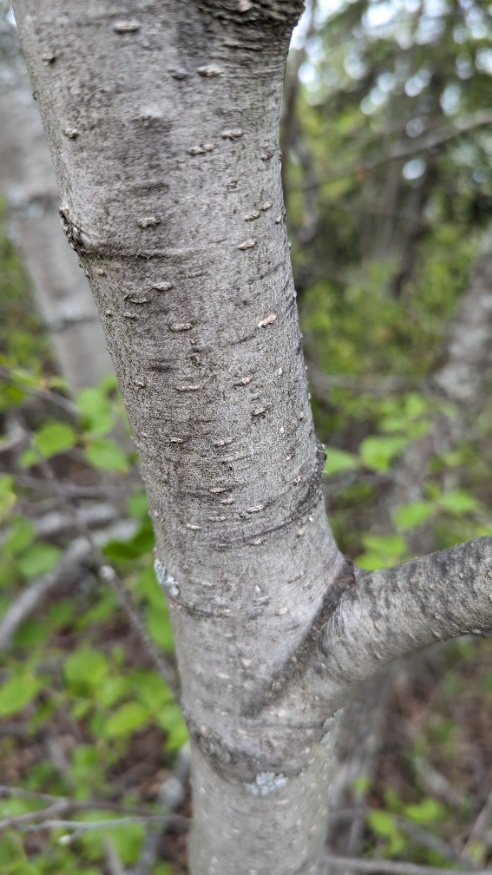
Alders frequently grow along streams and wetlands where their roots stabilize soil and prevent erosion. This stabilizing quality reflects their traditional use for tightening tissues and restoring integrity to damaged skin or mucous membranes. The reddish inner bark, which deepens in color when exposed to air, has also symbolically linked alder with blood purification in folk traditions.

Combinations

Alder bark combines well with yarrow and plantain for wound washes and skin infections. For digestive astringent formulas it may be blended with blackberry root or oak bark. In skin formulas alder is often paired with calendula or goldenseal to enhance antimicrobial and healing actions.

Precautions

Because of its high tannin content, large internal doses of alder bark may irritate the stomach or cause nausea. Long-term use internally is generally avoided. Individuals sensitive to salicylates should use caution. External use is generally considered safe.

Medicinal SpeciesAlnus rubra, Alnus incana, Alnus glutinosa, Alnus serrulata
Tastesbitter, astringent
Organ Systemscirculatory, digestive, immune/lymphatic, integumentary (skin, hair, nails)
Thermal Naturecool
Moisturedrying
Parts Usedinner bark, leaves, branches
Preparationsdecoction, salve, tea/infusion, tincture, powder, wash, compress
Organs and Tissuestomach, small intestine, mucosa, blood

Growing Guide

Alders grow rapidly and thrive in moist to wet soils where many other trees struggle. They prefer full sun but tolerate partial shade and are often found along streams, wetlands, and floodplains. Seeds benefit from cold moist stratification for several weeks before sowing in spring. Young seedlings establish quickly and develop strong root systems that help stabilize soil. Alders form a symbiotic relationship with nitrogen-fixing bacteria in their roots, allowing them to improve soil fertility and colonize poor or disturbed sites. Species such as red alder (Alnus rubra) prefer moist coastal climates, while speckled alder (Alnus incana) tolerates colder northern regions. Once established, they require little care and are useful in restoration plantings.