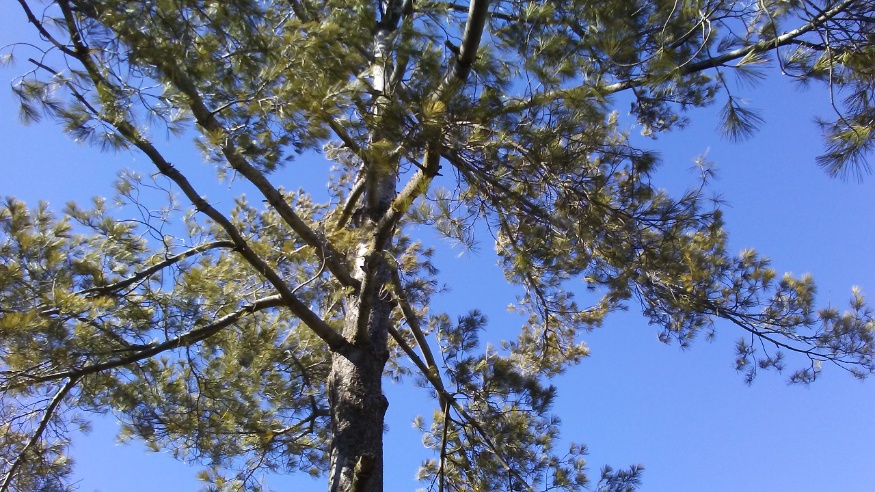
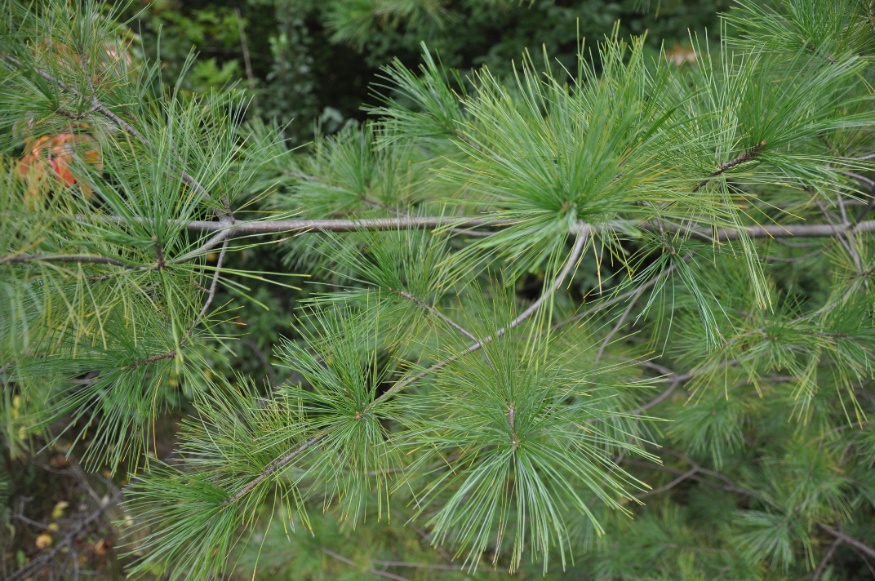
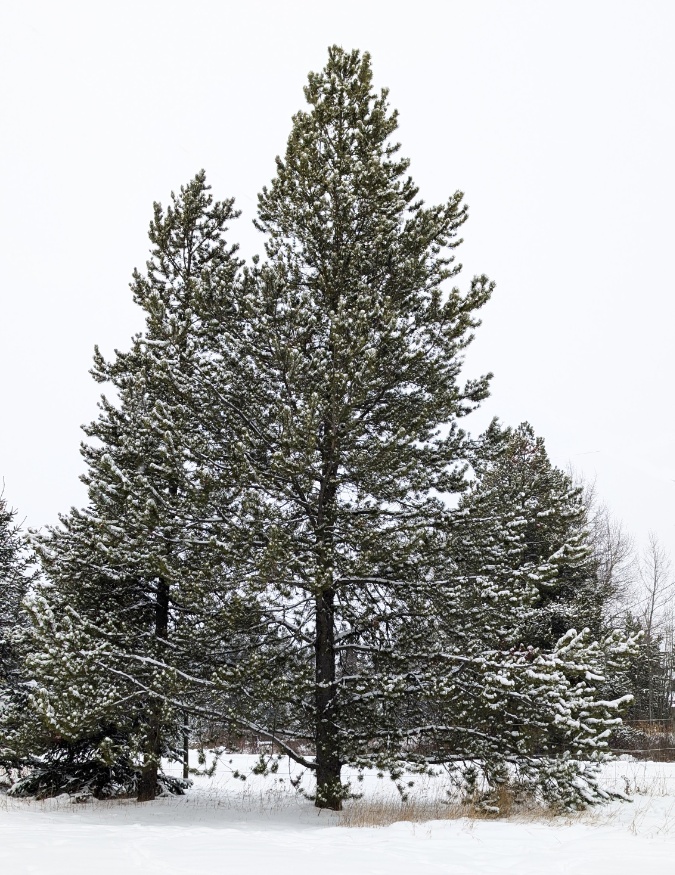
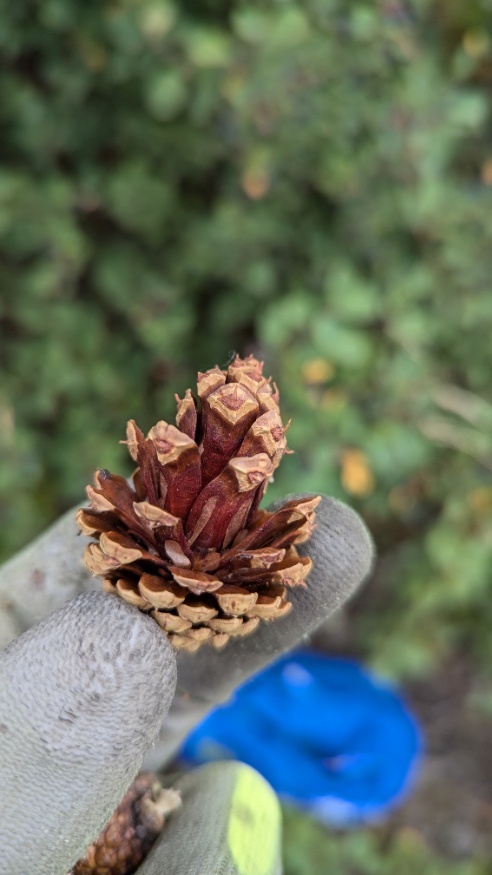
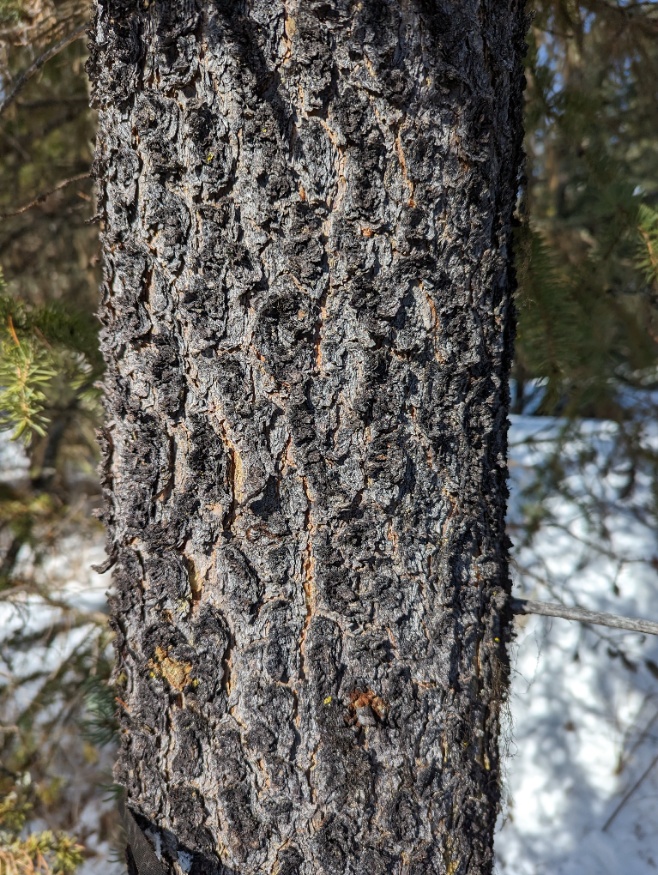
Pines (Pinus spp.) are among the most widespread coniferous trees of the Northern Hemisphere, forming vast forests across North America, Europe, and Asia. Species vary greatly in size and form, from small shrubby pines to towering forest trees exceeding 150 feet. Eastern white pine (Pinus strobus) is one of the tallest native conifers of eastern North America, recognized by its soft bluish-green needles in clusters of five and long graceful cones. Lodgepole pine (Pinus contorta), common in western mountains and interior regions, is a hardy species adapted to cold climates and fire-prone landscapes.
Pines typically grow with straight trunks and whorled branching, creating conical crowns when young that often broaden with age. Their needles grow in bundles and remain evergreen for several years, giving forests a constant green canopy even in winter. The trees produce woody cones containing winged seeds that feed birds, squirrels, and other wildlife.
Beyond their ecological importance, pines have long been valued for timber, resin, and traditional medicine. Their fragrant needles, bark, and resin contain aromatic compounds that support respiratory health and protect wounds. Hardy, adaptable, and long-lived, pines are keystone trees in many northern ecosystems.
Pines have been widely valued in traditional herbalism across Europe, Asia, and North America. The needles of many species, including eastern white pine (Pinus strobus) and lodgepole pine (Pinus contorta), are rich in vitamin C and were brewed as teas to prevent or treat scurvy during winter. Pine needle tea has long been used as a warming remedy for coughs, colds, and congestion, helping loosen mucus and soothe irritated lungs. Resin from the bark was traditionally applied externally as a drawing salve for splinters, wounds, and skin infections due to its antiseptic qualities. Indigenous peoples of North America sometimes consumed the inner bark (cambium) of species such as white pine during times of food scarcity, and it could be dried and added to flour. Pine steam inhalations and baths were common remedies for respiratory illness and fatigue. The aromatic needles and resin were also used in herbal liniments to ease sore muscles and joints, reflecting pine's warming and stimulating qualities.
Several pine species are recognized in traditional Chinese medicine, particularly Pinus massoniana and related species, though the properties apply broadly to the genus. Pine needles (Song Zhen) are considered warming and aromatic, supporting the lungs and promoting circulation. They are used in decoctions or medicinal wines to dispel wind-damp conditions affecting the joints and muscles, making them helpful for rheumatic pain and stiffness. Pine pollen (Song Hua Fen) is especially valued as a tonic herb that strengthens the body, supports digestion, and nourishes the skin. Pine resin (Song Xiang) is used externally to promote healing of wounds, ulcers, and chronic skin conditions, while internally it has historically been used in small amounts to stimulate circulation and reduce pain. Pine bark and needles are also associated with longevity practices in Chinese herbal traditions. Overall, pine remedies tend to warm the body, move stagnation, strengthen respiratory function, and support vitality.
Pine species contain abundant volatile oils rich in monoterpenes such as alpha-pinene, beta-pinene, and limonene, which contribute to their expectorant and antimicrobial effects. The resin also contains diterpenes and resin acids with antiseptic and wound-healing properties. Pine needles provide vitamin C, flavonoids, and antioxidant polyphenols. Pine bark, particularly in some species, contains proanthocyanidins known for circulatory and antioxidant benefits.
The evergreen nature of pine symbolizes endurance, vitality, and longevity. Its aromatic resin protects wounds in the tree, reflecting its traditional use for protecting and healing human skin and respiratory tissues. The tall, upright growth and ability to thrive in harsh climates suggest strengthening resilience and supporting deep breathing.
Pine needles combine well with spruce or fir needles for respiratory teas and steam inhalations. For cough syrups they are often blended with honey, thyme, or mullein. Pine resin salves are commonly prepared with plantain, calendula, or yarrow for wound care. For warming muscle liniments, pine essential oil blends well with juniper and rosemary.
Large amounts of pine essential oil may irritate the kidneys or skin and should be used diluted. Internal use of concentrated resin should be limited. Some pine species may cause mild stomach upset if consumed excessively. Pine needle preparations are generally safe in moderate amounts, but pregnant individuals should avoid strong medicinal doses of certain species.
| Medicinal Species | Pinus strobus, Pinus contorta, Pinus sylvestris, Pinus resinosa, Pinus ponderosa |
|---|---|
| Tastes | bitter, sweet, acrid/pungent, astringent |
| Organ Systems | circulatory, respiratory, urinary, immune/lymphatic, integumentary (skin, hair, nails) |
| Thermal Nature | warm |
| Moisture | drying |
| Parts Used | inner bark, early shoots, leaves, branches, seeds |
| Preparations | decoction, extract, salve, tea/infusion, tincture, bath, wash, essential oil, syrup, compress |
| Organs and Tissue | lungs, gallbladder, kidneys, bronchioles, mucosa, blood |
Pines grow best in full sun with well-drained soil and generally prefer slightly acidic conditions. Many species tolerate sandy or rocky ground and are well adapted to dry slopes and exposed sites. Seeds benefit from cold moist stratification for 4–8 weeks before sowing and should be planted shallowly in spring. Seedlings establish best when young and should be transplanted carefully, as older pines develop deep taproots and resent disturbance. Lodgepole pine (Pinus contorta) tolerates poor soils and harsh climates, while eastern white pine (Pinus strobus) prefers deeper, moist but well-drained soils. Once established, most pines are drought tolerant and require little care.