About This Plant

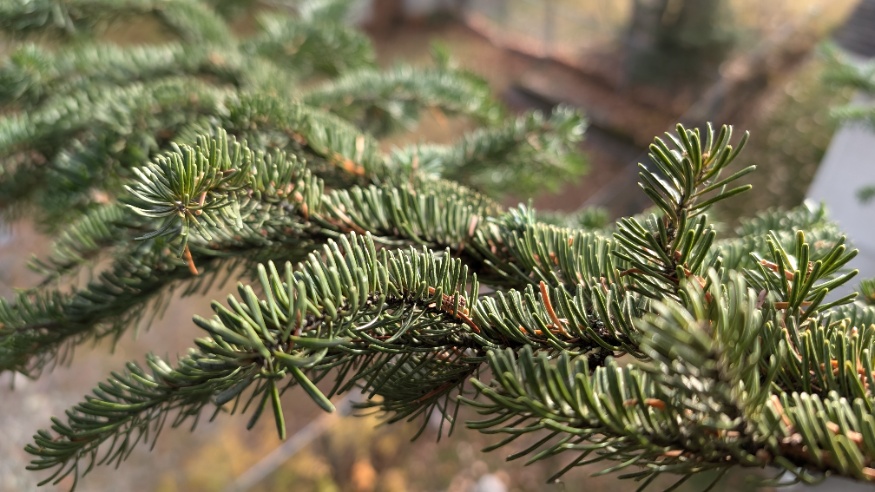
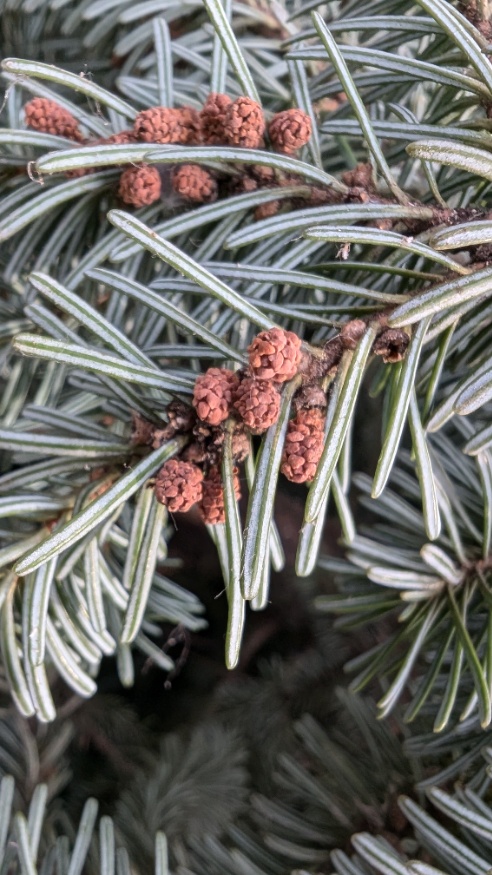
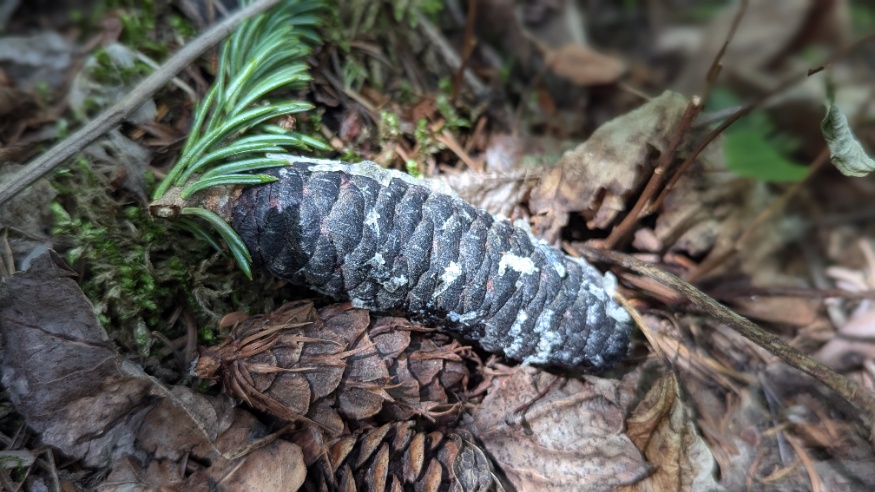
Fir refers to several evergreen trees in the genus Abies, native to cool and mountainous regions of the Northern Hemisphere. These conifers are characterized by tall, straight trunks and symmetrical conical crowns. The needles are flat, soft, and usually blunt at the tip, attaching directly to the branch. When crushed they release a strong, pleasant resinous aroma. A distinctive identifying feature of fir trees is their upright cones, which grow vertically on the branches and disintegrate when mature rather than falling intact. Depending on the species, fir trees may grow from 10 to over 80 meters tall and can live for several centuries. Fir species are important components of boreal and mountain forests where they help stabilize soils and provide habitat for wildlife. Their wood is lightweight and widely used in construction, paper production, and musical instruments. Several species are also cultivated as ornamental trees and are among the most widely used Christmas trees. The needles, bark, and resin contain aromatic compounds and volatile oils that have long been used in traditional herbal practices. These materials have been used to support respiratory health, soothe sore muscles, and promote circulation, giving fir an enduring place in northern herbal traditions.

Traditional Use

Folk Use

Fir species have long been used in traditional herbal medicine throughout northern regions of Europe, Asia, and North America. Indigenous peoples and rural herbal traditions often prepared teas or decoctions from the needles and young branch tips to relieve coughs, colds, bronchitis, and sinus congestion. The aromatic vapors help loosen mucus and open the airways, making fir a common winter remedy. The sticky resin that exudes from the bark has also been widely used externally. Traditionally it was applied directly to cuts, wounds, and skin irritations as a protective antiseptic covering. Resin salves were used to support healing of minor injuries and to soothe sore muscles and rheumatic joints. Because of its warming and penetrating qualities, fir resin has also been included in chest rubs and liniments. Needle infusions were sometimes used in steam inhalations or added to baths to help relieve fatigue and respiratory congestion. In northern climates, fir needles were occasionally brewed into a tonic tea containing vitamin C and aromatic compounds that helped stimulate circulation during winter months.

Chinese Medicine

Fir is not a major herb in classical Chinese materia medica, but aromatic conifer needles and resins have been used in regional traditions that align with Chinese medical principles. Substances with strong aromatic and resinous qualities are typically considered warming and dispersing. They help move Qi, open the Lung system, and dispel Cold and Dampness from the body. Preparations made from fir needles or resin are sometimes used in steam inhalations to relieve nasal congestion and support breathing during colds and flu-like illnesses. The warming aromatic vapors help open the chest and improve the movement of Qi through the respiratory passages. Externally, fir oils and resin preparations may be used in warming liniments applied to sore muscles, stiff joints, and cold-induced aches. These applications are thought to stimulate circulation within the channels and reduce stagnation caused by Cold. Energetically, fir can be viewed as warming, aromatic, and dispersing, supporting Lung function while promoting circulation and helping the body release externally lodged Cold conditions.

Special Chemistry

Fir needles and resin contain volatile oils rich in monoterpenes such as bornyl acetate, alpha-pinene, and limonene. These compounds contribute to the plant's strong aromatic scent and antimicrobial properties. The resin also contains various diterpenes and resin acids that provide protective and antiseptic qualities when applied externally.

Signature

The evergreen nature of fir trees and their ability to thrive in cold mountain environments has often been associated symbolically with vitality, endurance, and respiratory strength. Their aromatic needles and resinous scent suggest cleansing of the air and lungs.

Combinations

Fir is often combined with other aromatic respiratory herbs such as pine, spruce, thyme, eucalyptus, and peppermint in steam inhalations, chest rubs, and respiratory teas. Resin salves may also include herbs such as calendula, plantain, or comfrey for wound healing and skin support.

Precautions

Essential oils derived from fir should be used in moderation and properly diluted before topical use. Internal use of concentrated essential oils is not recommended. Individuals sensitive to conifer resins may experience skin irritation from topical preparations.

Medicinal SpeciesBalsam fir, Silver fir, True fir
Tastesbitter, acrid/pungent
Organ Systemscirculatory, respiratory, immune/lymphatic, muscular, integumentary (skin, hair, nails)
Thermal Naturewarm
Moisturedrying
Parts Usedinner bark, early shoots, leaves, branches
Preparationsdecoction, oil, salve, tea/infusion, tincture, bath, wash, essential oil
Organs and Tissuelungs, bronchioles, muscle & connective tissue, blood

Growing Guide

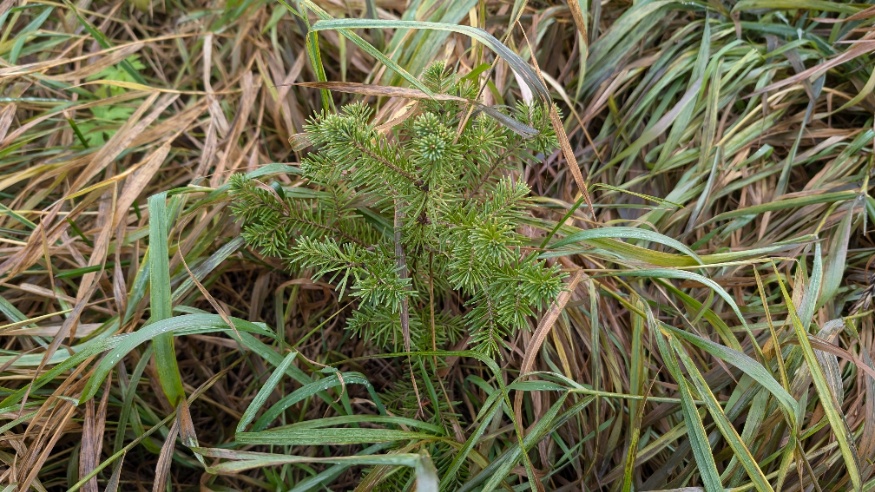
Fir trees grow best in cool climates with moist, well-drained soils and slightly acidic conditions. They prefer full sun but tolerate partial shade when young. Seeds usually require cold moist stratification for several weeks to break dormancy. Sow seeds outdoors in autumn or stratify them in refrigeration before spring planting. Germination may take several weeks. Seedlings grow slowly during their early years while establishing deep root systems. Consistent soil moisture is beneficial, though waterlogged soils should be avoided. Fir trees perform best in regions with cool summers and adequate rainfall. Once established they require minimal care aside from protection from extreme drought and strong drying winds. Because of their symmetrical shape and evergreen foliage, firs are widely planted for forestry, landscaping, and Christmas tree production.