About This Plant
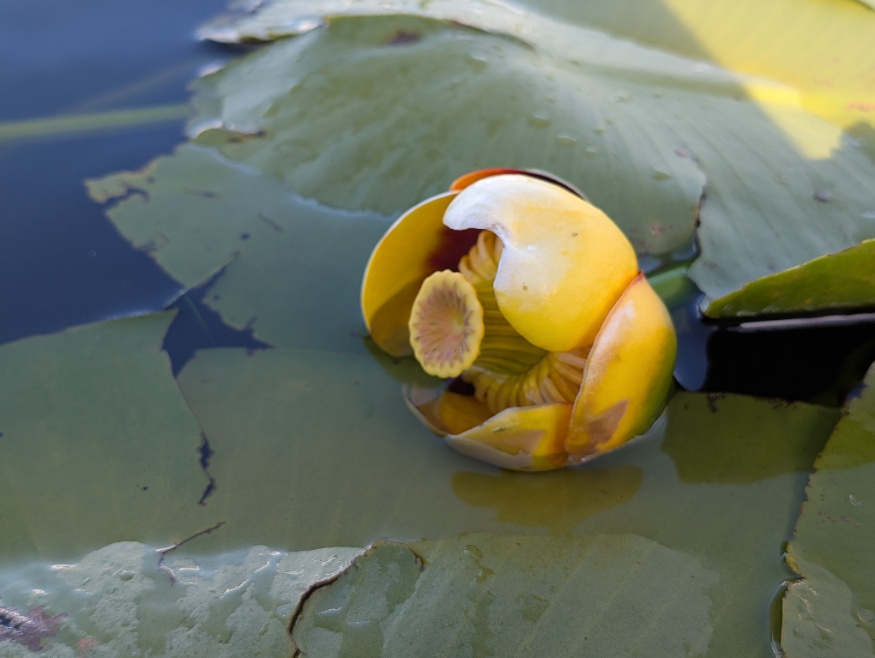
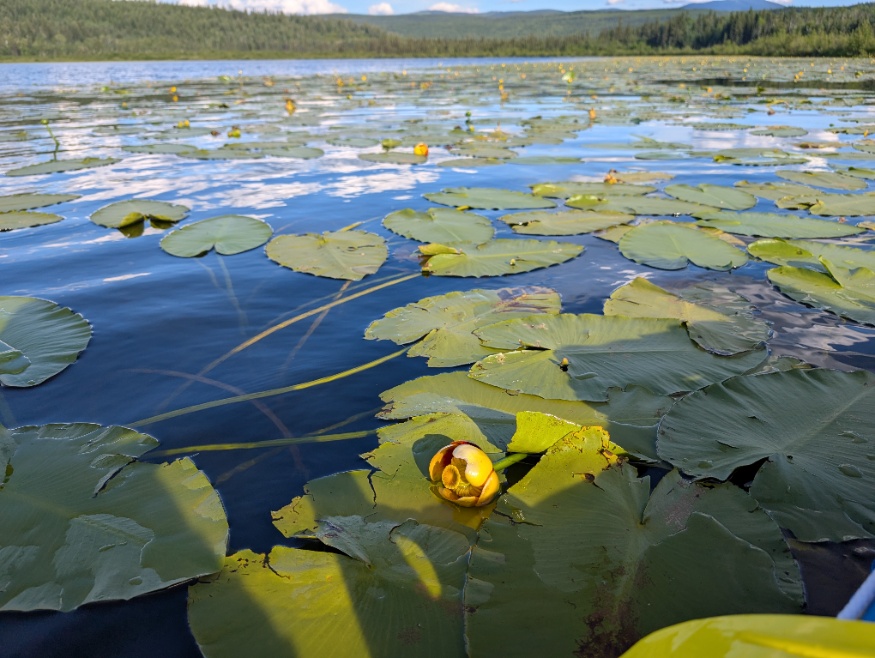
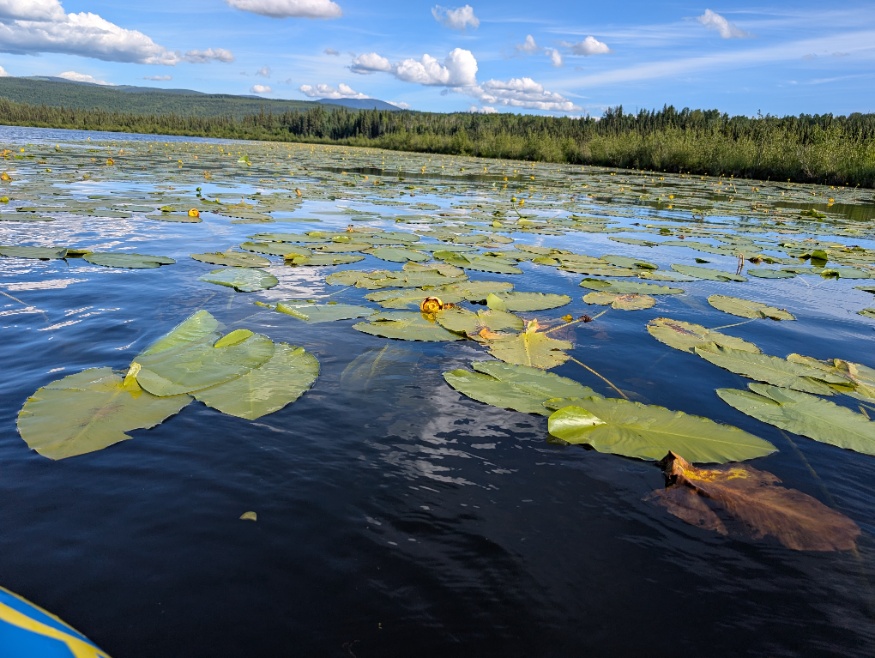
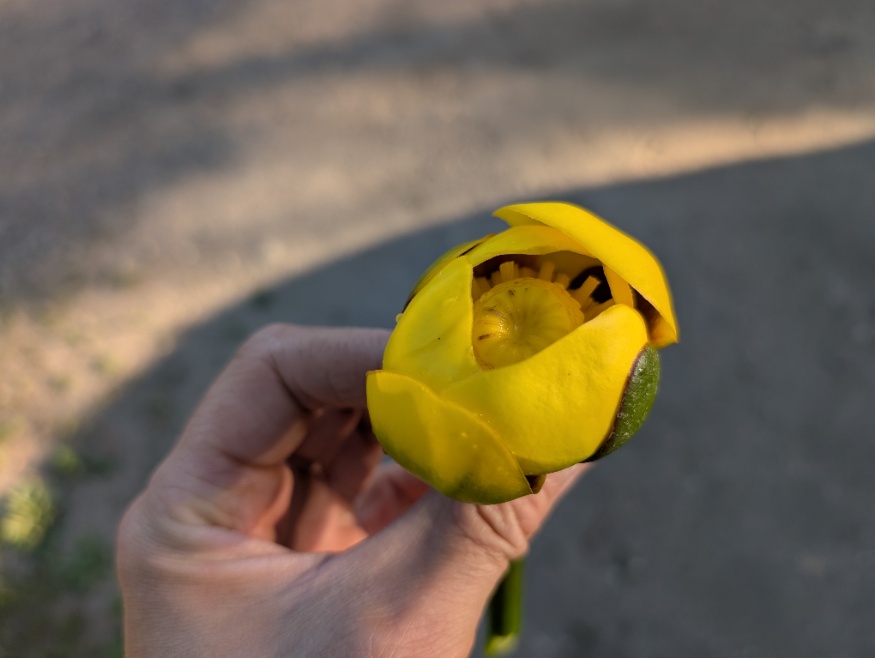
Yellow pond lily (Nuphar spp.) is a hardy aquatic perennial in the water lily family (Nymphaeaceae), found throughout the quiet ponds, marshes, lakes and slow-moving rivers of the Northern Hemisphere. In North America, the most widespread medicinal species is Nuphar variegata, while Nuphar lutea fulfills a similar role in Europe. Recognized by their floating heart-shaped leaves and bright yellow cup-shaped flowers, these plants play an essential role in healthy freshwater ecosystems while also possessing a long history of traditional medicinal use. Although less well known today than many terrestrial herbs, yellow pond lilies were valued by Indigenous peoples and early herbalists as important medicinal and food plants, particularly for their nourishing rhizomes and highly astringent properties.
Thick creeping rhizomes anchor the plants securely within soft pond sediments, where they gradually spread to form extensive underwater colonies. Large floating leaves shade the water's surface, helping regulate water temperature while providing shelter for fish, amphibians, aquatic insects and countless other organisms. During summer, fragrant yellow flowers rise just above the water, attracting bees and a variety of native pollinating insects. As the season progresses, the flowers mature into seed-filled fruits whose nutritious seeds have traditionally been collected as food by several Indigenous cultures after appropriate preparation.
For centuries, Indigenous peoples throughout North America prepared decoctions from the rhizomes to support digestive health, soothe irritated tissues and promote healthy wound healing. Fresh plant material was also applied externally as poultices or washes for minor skin conditions because of its cooling, strongly astringent nature. The cooked rhizomes and roasted seeds additionally served as valuable food sources, especially when other foods were scarce. European herbal traditions similarly recognized yellow pond lily as a tissue-toning herb useful for calming inflammation and reducing excessive secretions, although it was generally employed with moderation because of its potent constituents.
Modern herbalists encounter yellow pond lily less frequently than many classic medicinal herbs, yet it remains an important example of the close relationship between aquatic ecosystems and traditional plant medicine. The rhizomes contain abundant tannins together with distinctive alkaloids that contribute to the plant's historical medicinal reputation. Today, ethical harvesting is especially important because healthy pond ecosystems are easily disturbed by excessive collection. Conserving natural wetlands while cultivating appropriate medicinal species where practical helps preserve both the remarkable ecological value and the rich ethnobotanical heritage of these distinctive aquatic plants.
Traditional Use
Folk Use
Yellow pond lily has been used medicinally for centuries by Indigenous peoples throughout North America and by traditional herbalists in Europe and Asia. The thick rhizomes were commonly prepared as decoctions to address digestive disturbances, while poultices made from fresh plant material were applied externally to minor wounds, skin irritations and inflammatory conditions. The plant's pronounced astringency also led to its traditional use for helping tone tissues and reduce excessive secretions.
Several Indigenous nations valued the rhizomes as both food and medicine after careful preparation to reduce bitterness. The nutritious seeds were also collected and roasted or ground into flour in some regions. Herbalists frequently reserved the plant for situations requiring a strongly astringent botanical, particularly where soothing and tissue toning were desired simultaneously. Although highly respected, yellow pond lily was generally used with moderation because of its potent constituents.
Today, yellow pond lily is encountered more frequently in ecological restoration and native wetland conservation than in everyday herbal practice. Nevertheless, it remains an important traditional medicinal plant whose history reflects the close relationship between healthy aquatic ecosystems and Indigenous botanical knowledge.
Chinese Medicine
Yellow pond lily (Nuphar spp.) is not a traditional herb of the classical Chinese Materia Medica and has no established place within ancient Traditional Chinese Medicine. Although species of Nuphar occur naturally throughout parts of Asia, Europe and North America, they were never incorporated into the core TCM pharmacopoeia. Their medicinal reputation instead developed independently among Indigenous peoples of North America and within various European folk traditions. Consequently, there are no classical channel associations, standard formulas or traditional dosage recommendations recorded for these species.
From a modern energetic perspective, yellow pond lily is considered cool, bitter and strongly astringent, with an affinity for the Stomach, Large Intestine and reproductive tissues. Western herbalists traditionally employed the rhizomes to tone relaxed tissues, reduce excessive secretions and calm inflammatory conditions affecting the digestive tract. Within an integrative framework, these actions resemble the TCM concepts of clearing Damp-Heat, cooling Heat and consolidating leakage. The herb's cooling, drying nature also reflects its historical use for soothing inflamed mucous membranes and supporting healthy tissue integrity.
Practitioners integrating Western herbs with Traditional Chinese Medicine generally regard yellow pond lily as a specialized astringent rather than a constitutional tonic. When broader patterns of Dampness, Heat or Qi deficiency require treatment, practitioners typically rely upon classical Chinese herbs with far longer histories of documented use. Yellow pond lily therefore remains primarily a traditional North American and European medicinal plant rather than an herb of contemporary integrative practice.
Special Chemistry
Yellow pond lily rhizomes contain alkaloids including nupharidine, nupharine and related sesquiterpene alkaloids, together with abundant tannins, flavonoids, starches and phenolic compounds. The high tannin content accounts for the plant's pronounced astringency, while laboratory studies suggest several alkaloids possess antimicrobial and antioxidant activity. The seeds contain carbohydrates, proteins and oils that contributed to their traditional value as a nutritious wild food after proper preparation.
Signature
Firmly anchored beneath still waters, the thick rhizomes symbolize stability, grounding and quiet resilience. Floating leaves shelter aquatic life while maintaining calm at the water's surface, reflecting the herb's traditional ability to soothe inflamed tissues and restore balance. The bright yellow flowers rising above the water suggest vitality emerging from deep, nourishing foundations hidden beneath the surface.
Combinations
Yellow pond lily has traditionally been combined with other astringent and soothing herbs when supporting irritated mucous membranes or minor skin conditions. External preparations were sometimes blended with demulcent herbs to balance its drying nature. In modern Western herbalism, however, the plant is used relatively infrequently and is generally included as a specialized component within broader formulas rather than as a primary remedy.
Precautions
Yellow pond lily should be used with moderation because the rhizomes contain biologically active alkaloids as well as significant quantities of tannins. Large doses may cause digestive irritation, nausea or constipation. Medicinal use is not recommended during pregnancy or breastfeeding because adequate safety data are lacking. Harvesting should always be conducted responsibly to avoid damaging sensitive aquatic ecosystems, and only correctly identified Nuphar species should be used, as unrelated aquatic plants may differ greatly in their chemistry and safety.
| Medicinal Species | Nuphar variegata (North America), Nuphar lutea (Europe) |
|---|---|
| Tastes | bitter, astringent |
| Organ Systems | digestive, reproductive, integumentary (skin, hair, nails) |
| Thermal Nature | cool |
| Moisture | drying |
| Parts Used | roots, leaves, seeds, rhizomes |
| Preparations | decoction, powder, wash, poultice |
| Organs and Tissue | skin, digestive tract, reproductive tissues |
Growing Guide
Yellow pond lily is a hardy aquatic perennial that grows naturally in shallow ponds, marshes, slow-moving streams and sheltered lake margins. Thick creeping rhizomes anchor the plant securely within soft organic sediments while long leaf stalks carry floating heart-shaped leaves to the water's surface. Plants thrive in full sun but tolerate partial shade, provided they receive several hours of direct light each day. Calm water between six inches and six feet deep provides ideal growing conditions.
Propagation is most commonly achieved by dividing rhizomes during spring before vigorous growth begins. Each division should retain healthy buds and several roots before being replanted into heavy aquatic soil or submerged clay. Fresh seed may also be sown immediately after collection, although vegetative division establishes much more rapidly. Once established, colonies gradually expand through creeping rhizomes, stabilizing pond sediments while providing valuable habitat for aquatic wildlife.
The bright yellow cup-shaped flowers bloom throughout summer and attract numerous native pollinating insects. Floating leaves provide shade for fish, amphibians and aquatic invertebrates while helping moderate water temperature. Medicinal rhizomes are traditionally harvested during late summer or autumn when stored nutrients have accumulated. Because aquatic ecosystems are easily disturbed, harvesting should always be conservative, leaving large portions of each colony intact to ensure continued ecological health.