Green Ash
 Botanical Name: Fraxinus pennsylvanica subsp. null
 Other Names: null
Other Botanical Names: null
Family: Oleaceae Native to: Eastern North America
Hardy to zone: 2
Eco benefits: valuable wood
Natural habitat: swamps & bogs, waters edge, floodplains
Shapes: round, irregular, oblong
Height: 40-80ft
width: 30-70ft
Growth rate: fast
Lifespan: 100-100 years
Unique attractions: fall colour
Tolerances: air pollution, deer resistant
Common uses: landscaping, cityscape
Insects: emerald ash borer
Light: full sun, partial shade
Transplanting: easy
Soil: moist and fertile, well drained
Reproduction type: dioecious
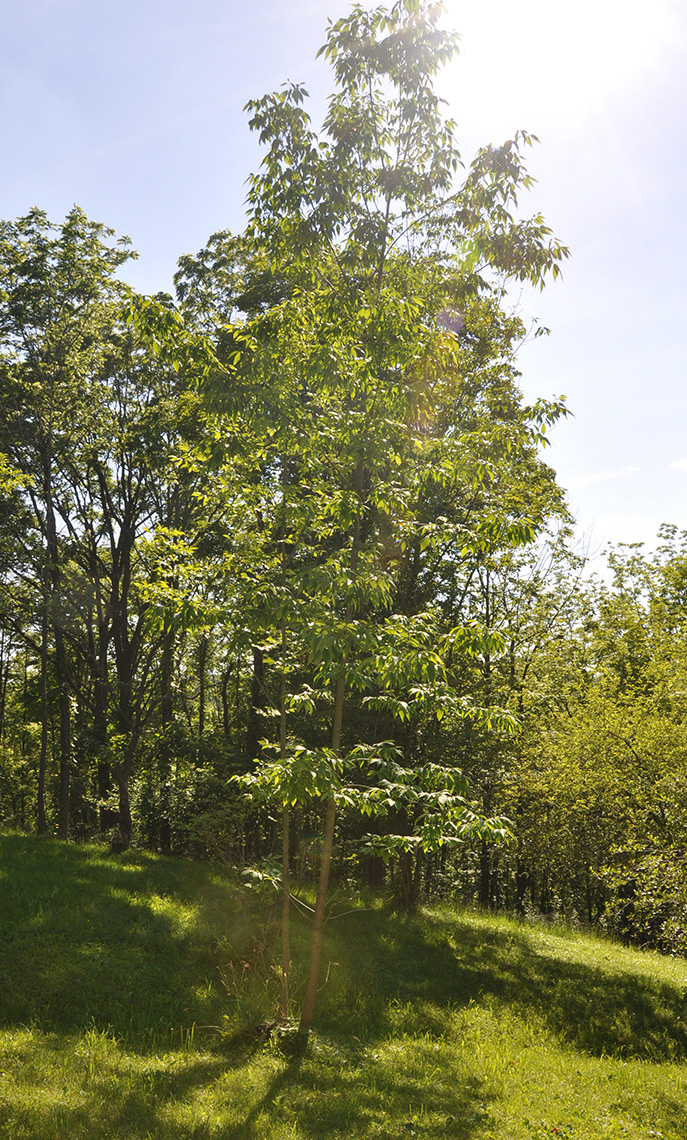
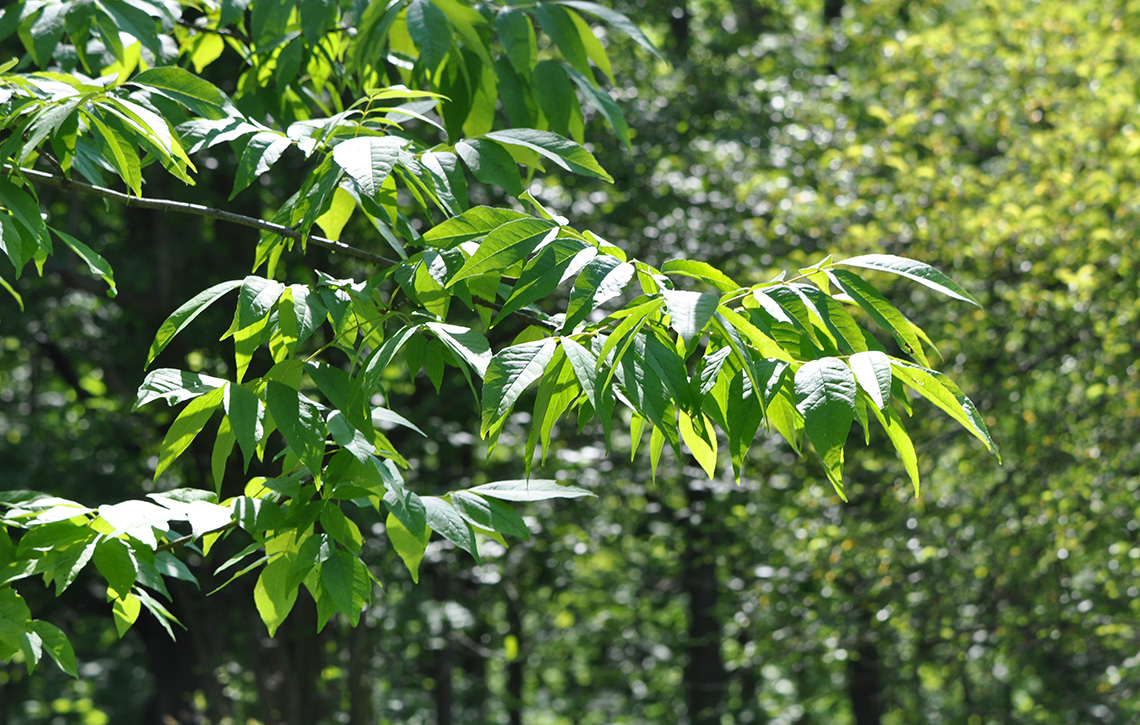
Native to southern Ontario and eastern North America and the most adaptable of all the ashes. The Green Ash can grow in a wide range of conditions and soils, though it prefers moist environments. Small to medium sized trees, widely planted residentially and frequently used for furniture. Smaller branches form a slight "S" shape as they droop towards the ground, then curve upwards at the tips. Green Ash numbers have been reduced dramatically due the the Emerald Ash Borer.
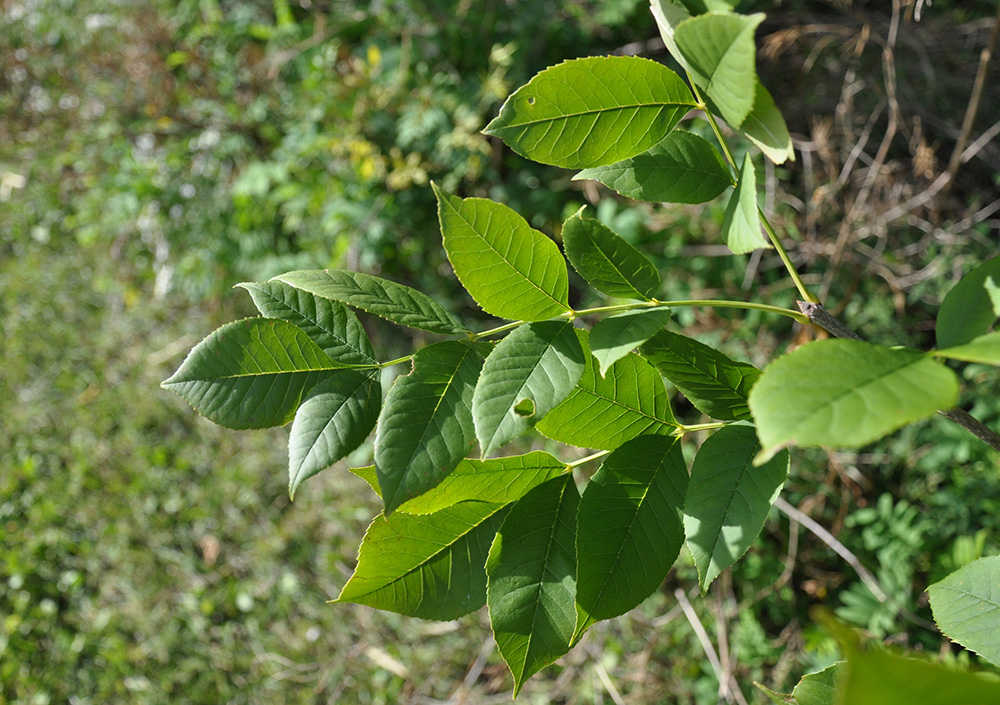
Leaves
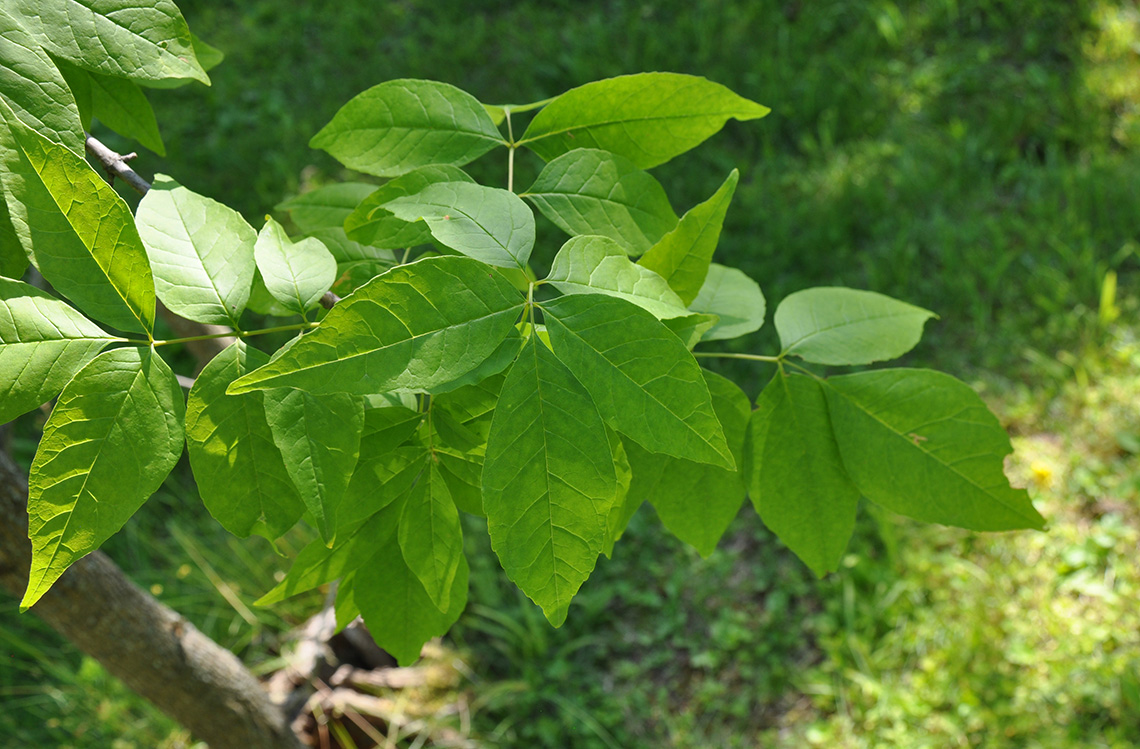
5-9 (usually 7) oblong-lanceolate leaflets. Yellowish-green in colour and paler on the underside. In the spring, foliage appears before flowers (unlike the White Ash). In autumn, leaves take on a nice yellow-brown colour.
Seeds & Fruit
Light green (then tan) samara appear in clusters of large amounts. Ash samara are an important food for wildlife including rabbits and birds. Seeds may be dormant for a few years on the ground before germinating.
Twigs & Buds
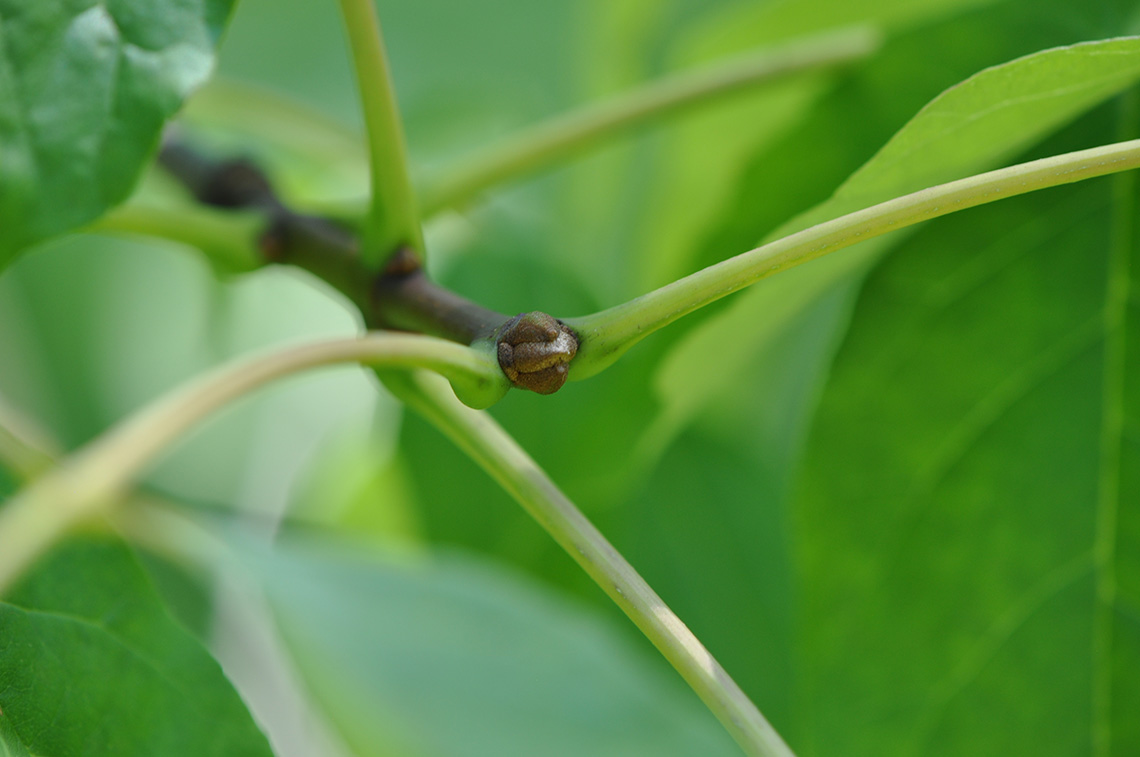
Greyish-brown, somewhat stout twigs with reddish-brown hairy buds. Buds appear above the leaf scar forming somewhat of a half-circle shaped leaf scar (U-shaped for the White Ash). The top pair of lateral buds are close to the terminal bud