






About This Plant
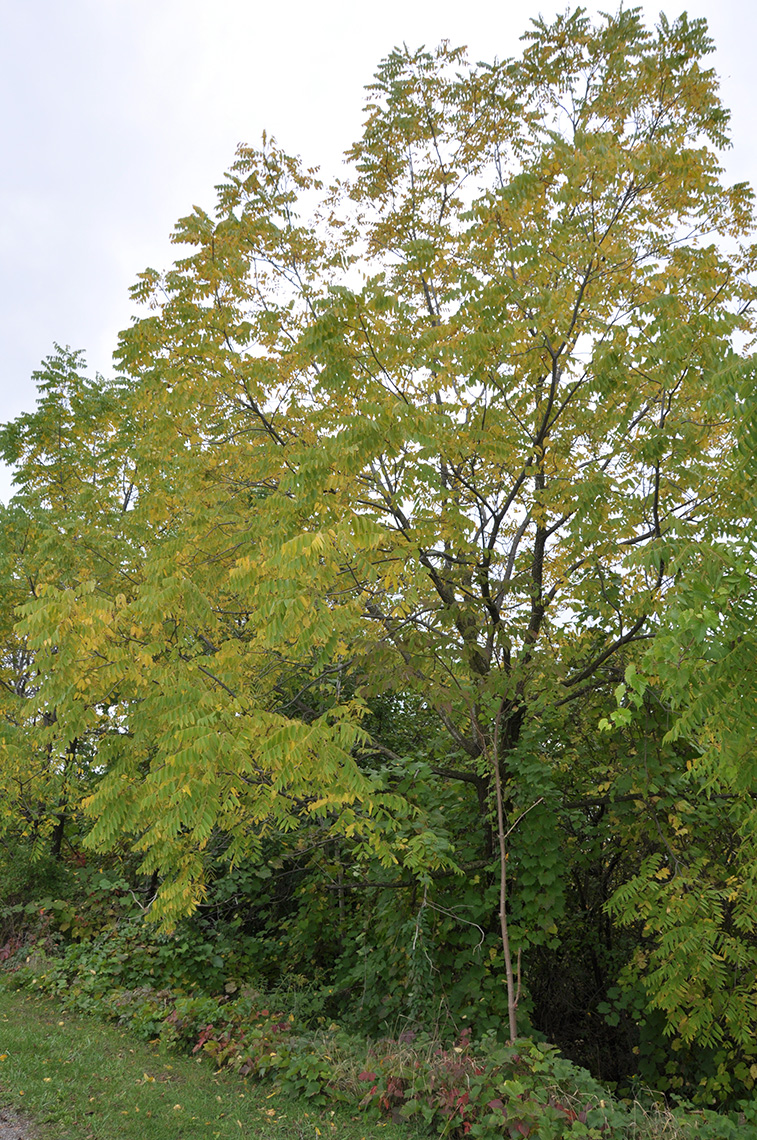
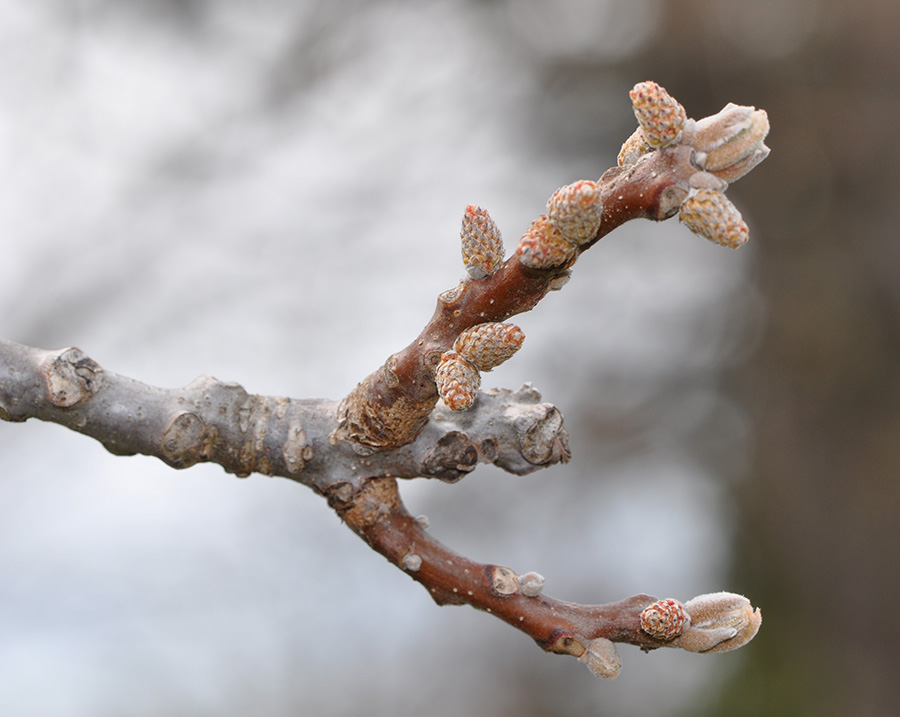
Black walnut (Juglans nigra) is a large deciduous tree native to North America, known for its dark, deeply furrowed bark and valuable hardwood. It grows in rich, well-drained soils, often along riverbanks and fertile lowlands.
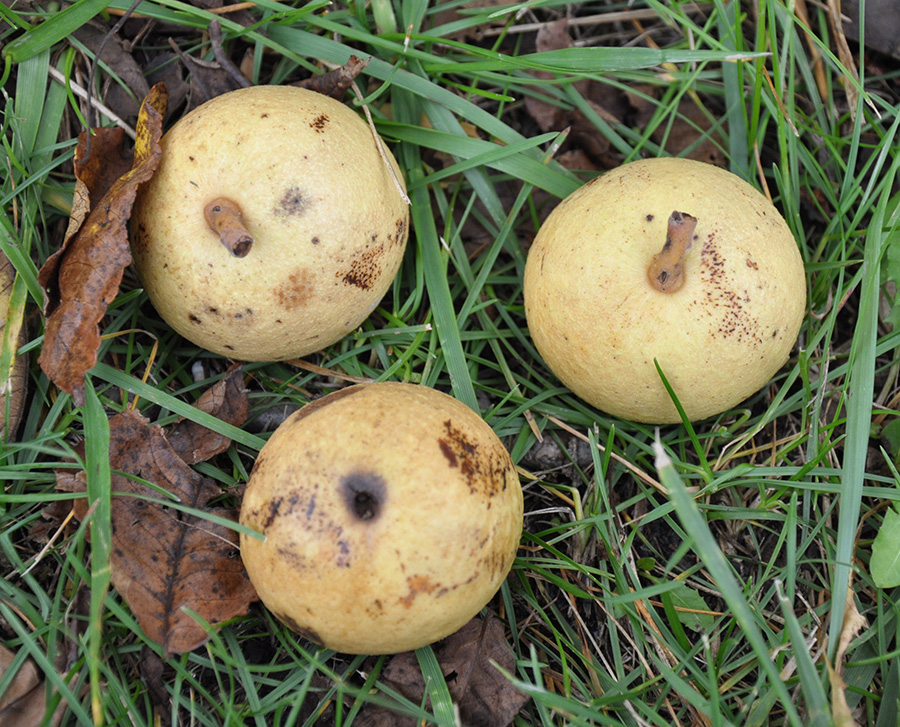
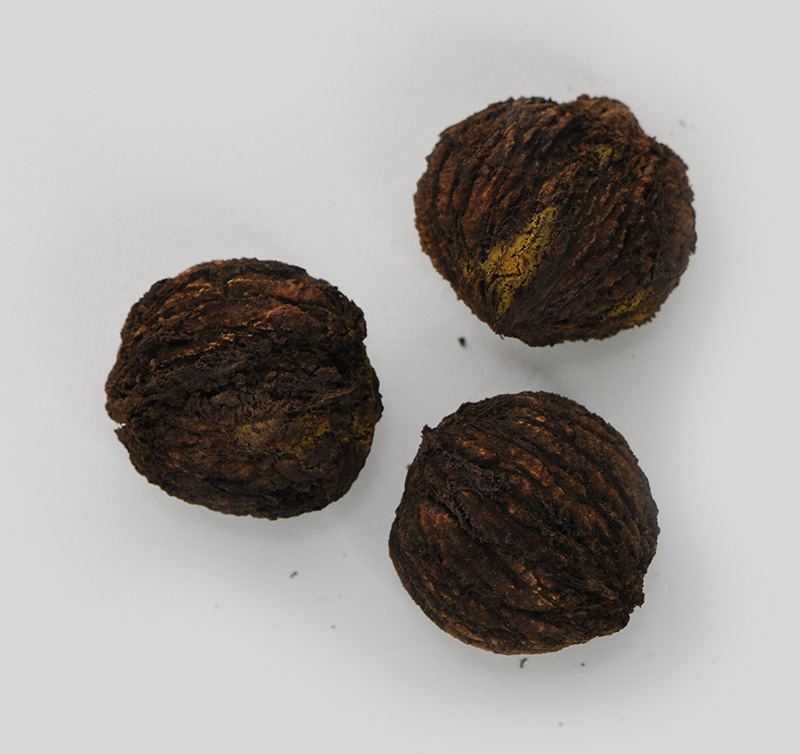
The tree produces large compound leaves and distinctive round nuts enclosed in green husks. It is closely related to other nut-producing trees like butternut.
Black walnut has been historically valued for its wood, which is used in furniture and woodworking, as well as for its edible nuts.
Medicinally, the hulls have been used for their antimicrobial and antiparasitic properties. The nuts themselves are highly nutritious and widely consumed.
Traditional Use
Folk Use
Black walnut hulls have been traditionally used as a remedy for parasites and fungal infections. Preparations were often made as tinctures or decoctions.
The nuts were also an important food source, valued for their rich flavor and nutritional content.
It was sometimes combined with herbs like wormwood in traditional remedies.
Chinese Medicine
Special Chemistry
Black walnut contains juglone, a compound that inhibits the growth of certain plants nearby.
It also contains tannins and antimicrobial compounds in the hulls.
Care should be taken when planting near sensitive species due to its allelopathic effects.
Signature
| Medicinal Species | Juglans nigra |
|---|---|
| Tastes | bitter, astringent |
| Organ Systems | digestive, immune/lymphatic, integumentary (skin, hair, nails) |
| Thermal Nature | neutral |
| Moisture | drying |
| Parts Used | inner bark, leaves |
| Preparations | decoction, salve, tea/infusion, tincture |
| Organs and Tissue | stomach, blood |
Growing Guide
Black walnut prefers full sun and deep, fertile soil. It grows best in well-drained conditions and requires space due to its large size.
Seeds (nuts) can be planted directly in fall, as they require cold stratification.
Proper planting methods such as those in planting mail order seedlings will improve success.