American Linden
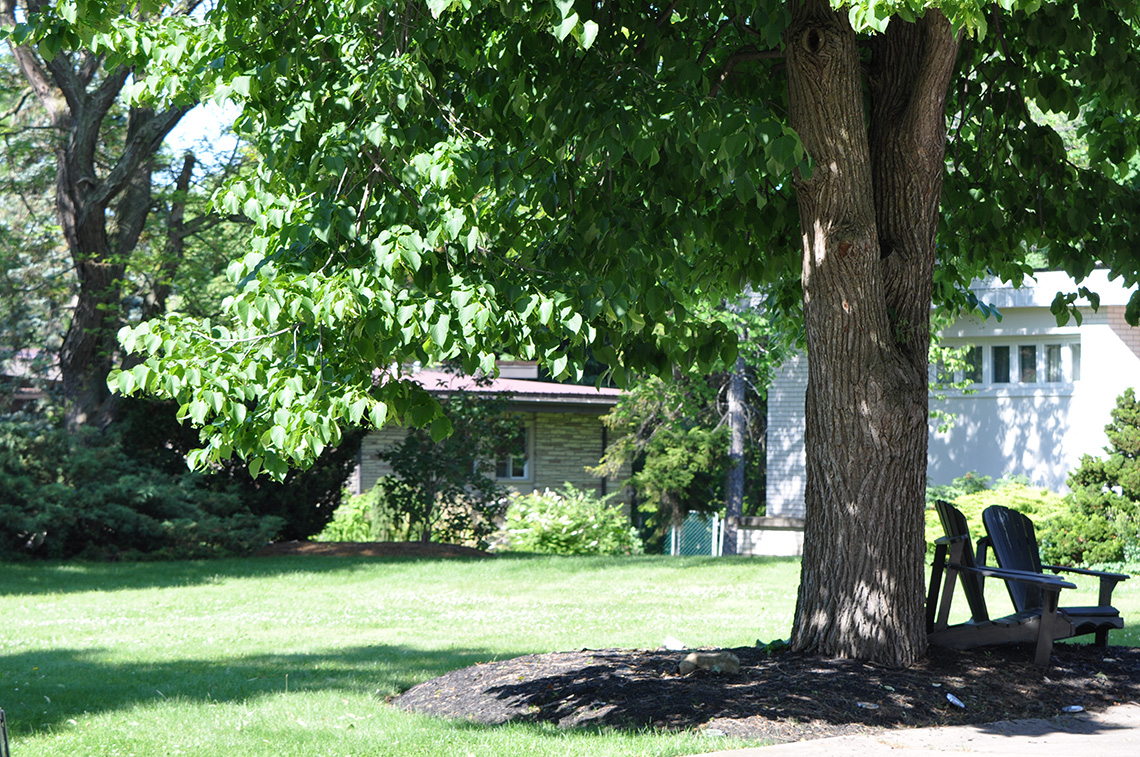 Botanical Name: Tilia americana
 Other Names: Basswood
Family: Malvaceae Native to: Eastern North America
Hardy to zone: 3
Eco benefits: valuable wood, medicinal, edible parts
Natural habitat: inner forests
Shapes: conical, irregular
Height: 80ft
width: 60ft
Growth rate: medium
Lifespan: 100-200 years
Unique attractions: leaves
Common uses: reforestation, landscaping
Insects: aphids, japanese beetle
Light: full sun, partial shade
Transplanting: easy
Soil: moist and fertile, well drained, drought tolerant, ph adaptable
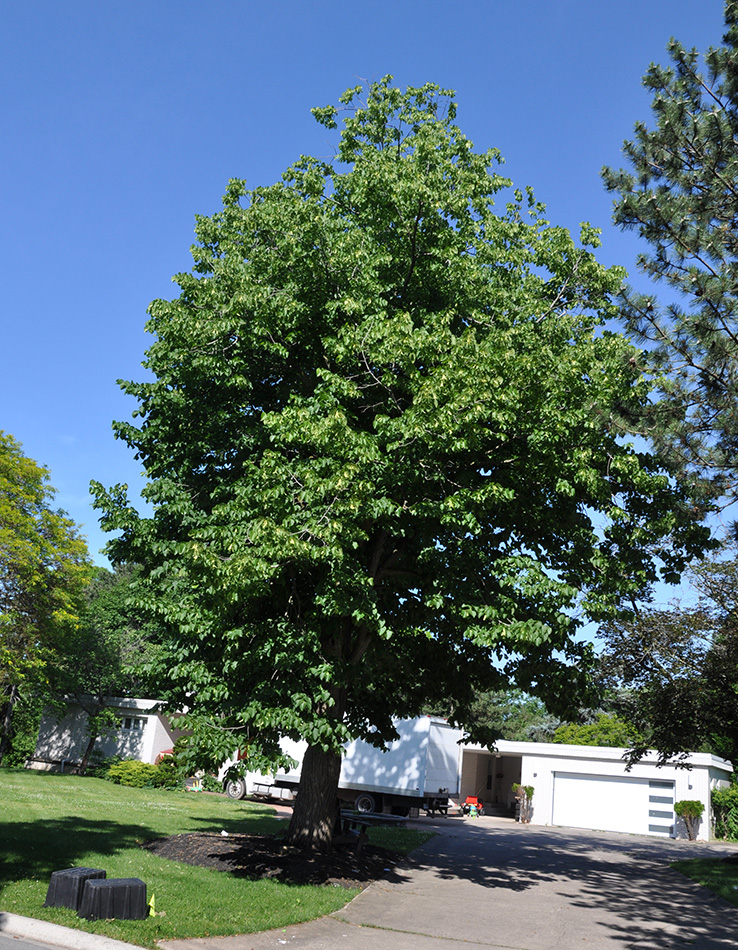
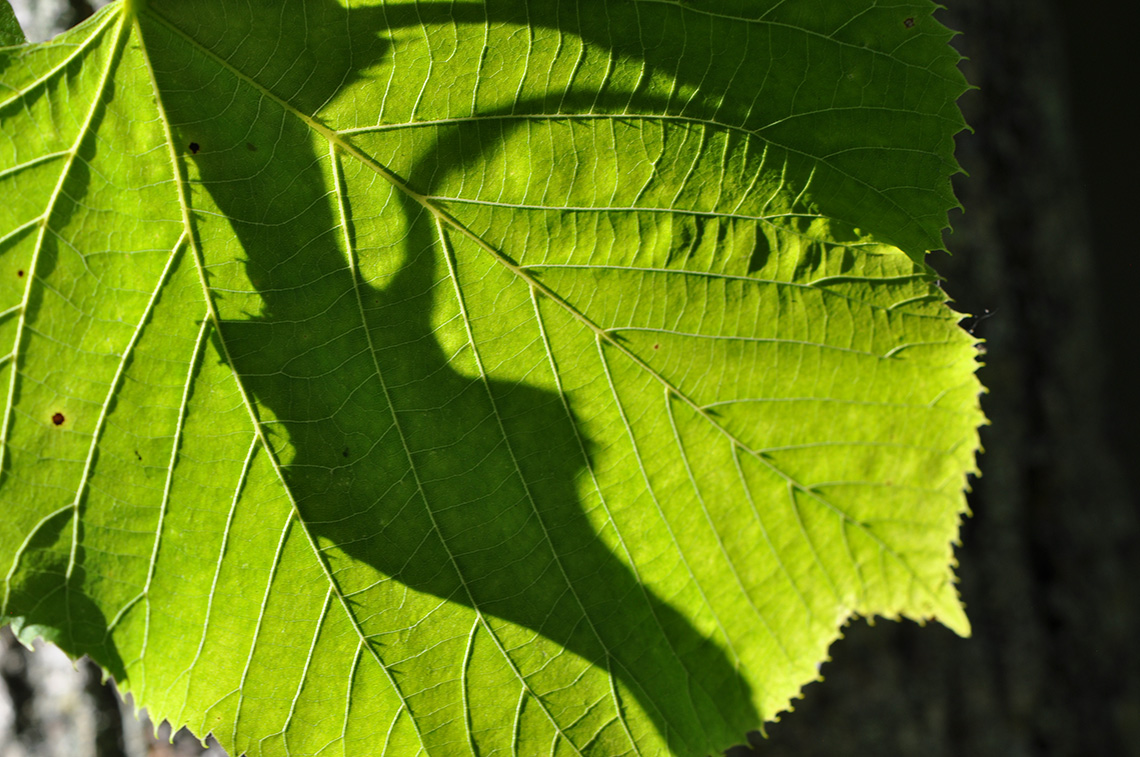
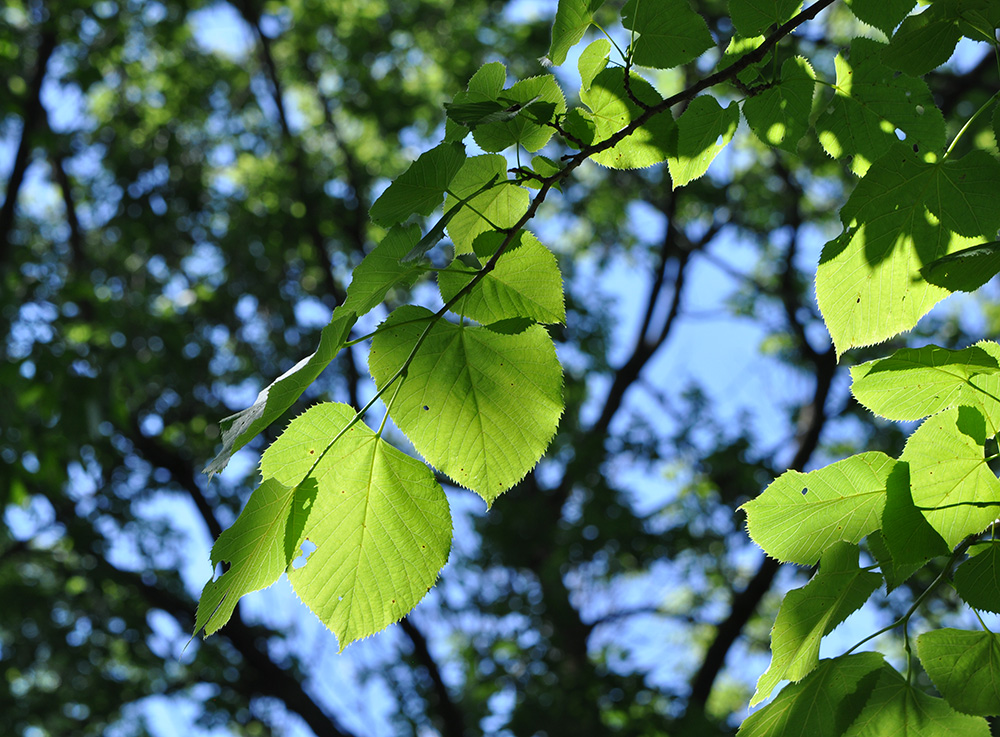
A common forest, and occasional street tree Native to Ontario and the Niagara region. The American Linden is known for its large, heart-shaped, serrated leaves. Its fragrant flowers in Spring attract bees and other pollinators. The wood is light and very evenly and grained making it ideal for carving. All parts of the tree are edible edible including the buds, leaves, bark and flowers. Medicinal benefits from the Linden include treatment for colds, fever, cough, high blood pressure, headaches and many other ailments.
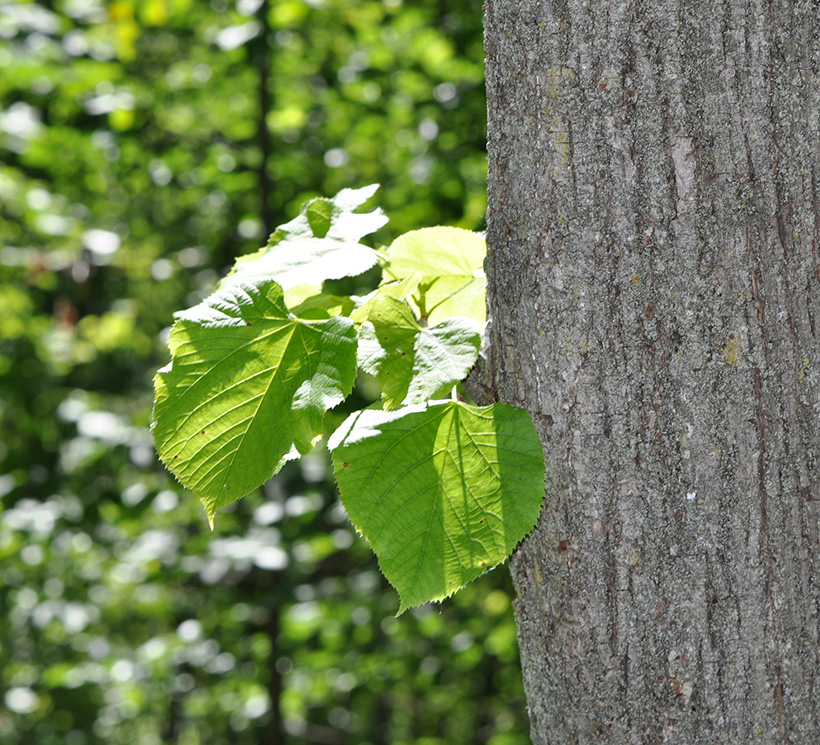
Leaves
Large, dark green leaves, 5-6" long. The colour is pale yellow in the fall. Tea can be made from them to reduce stress, help with digestion and detoxify the body.
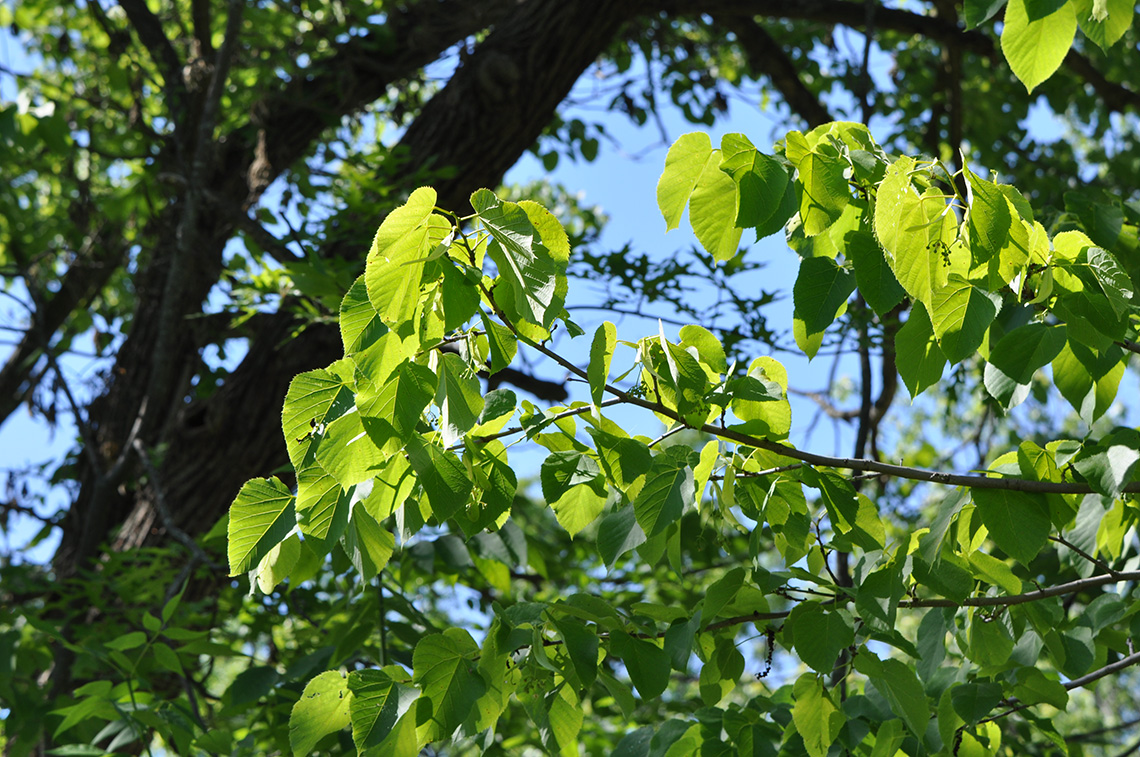
Twigs & Buds
Red, tear-drop shaped, edible buds with 2 bud scales.
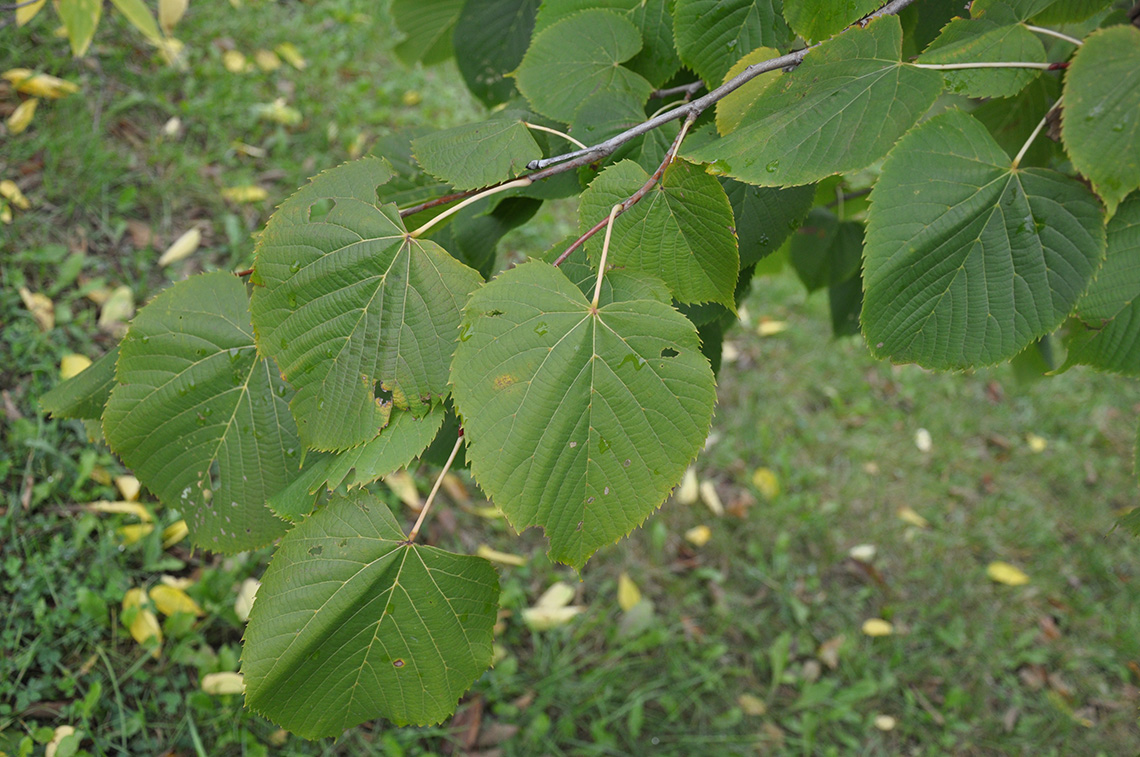
Flowers & Fruit
White, bee-friendly, fragrant flowers in late June to early July. Seed dormancy lasts 2-5 years making it difficult to grow from seed.
Insects & Disease
Lots of foliage feeding insects including aphids and Japanese Beetles can cause partial defoliation. Leaf gall can cause appearance issues with minimal harm to the tree.